


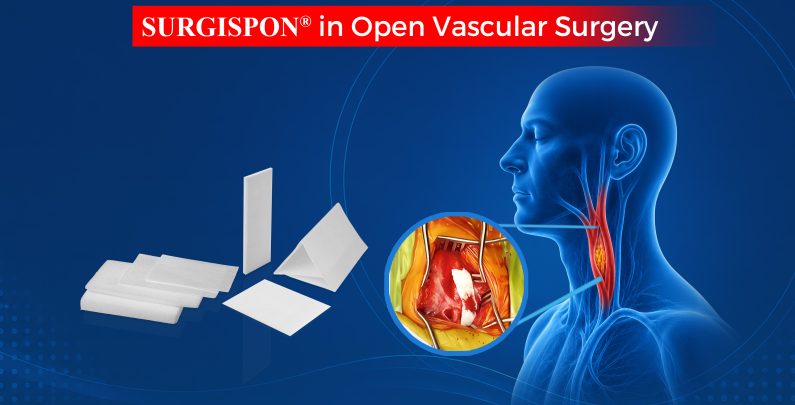
Optimizing Haemostasis with SURGISPON® in Open Vascular Surgery
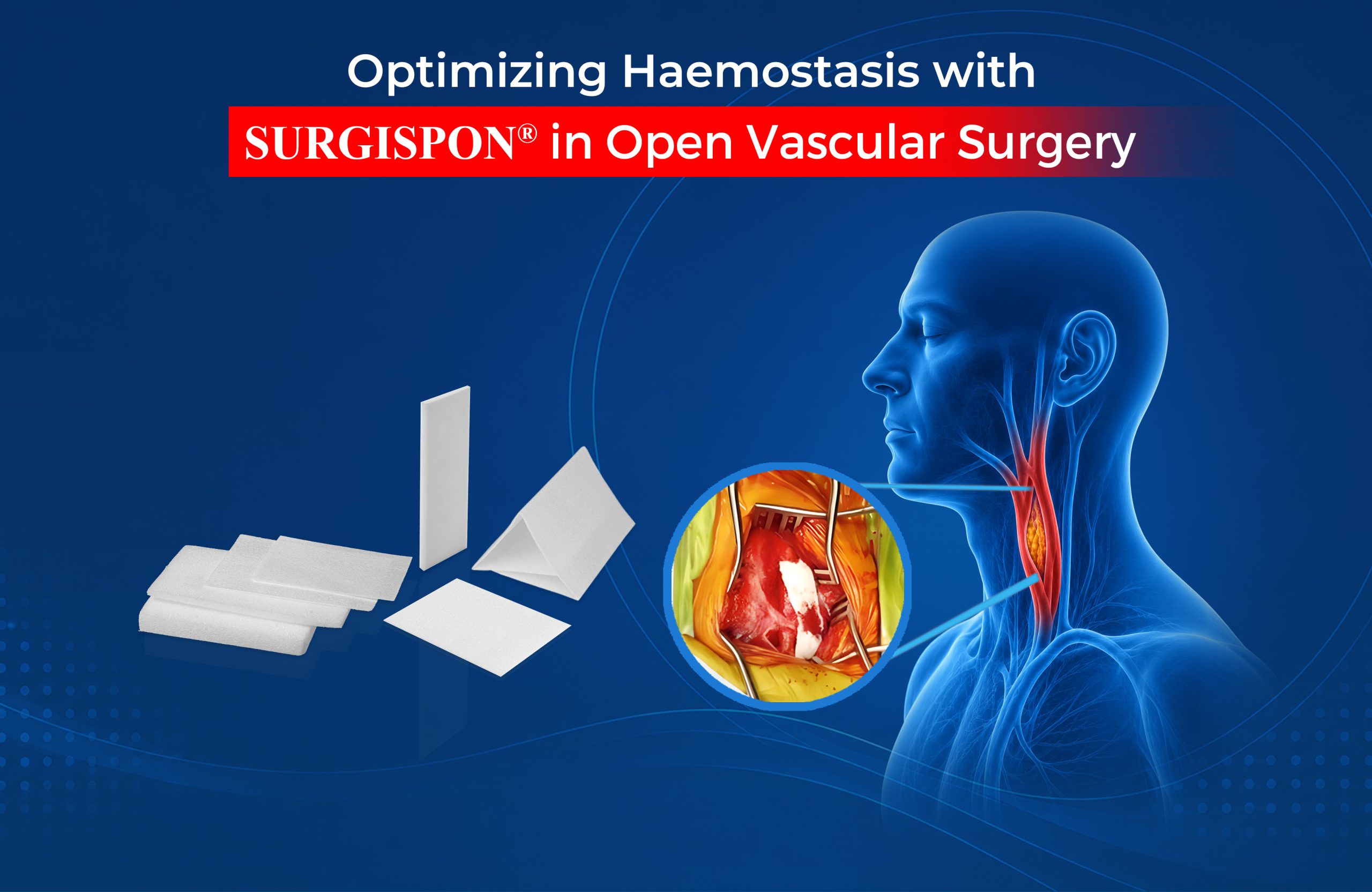
Healthy blood vessels are vital for delivering oxygen and nutrients throughout the body. When they become narrowed, blocked, or damaged, vascular surgery may be needed to restore normal blood flow. Depending on the condition, treatment may include plaque removal, bypass surgery, aneurysm repair, or graft placement. Because these procedures involve direct work on blood vessels, effective bleeding control is an important part of the surgery 1,2 . However, achieving haemostasis can be challenging, depending on the procedure and the patient’s bleeding risk.
Why Is Haemostasis Challenging During Vascular Surgery?
Bleeding control can be challenging during open vascular surgery, particularly around anastomotic sites and delicate blood vessels. Bleeding may also arise from small vessels during dissection and closure. While suturing, vessel ligation, electrocautery and pressure are commonly used; persistent bleeding may sometimes require additional haemostatic support.
Several factors can influence bleeding control during vascular surgery: 2,3
- Complex surgical repair: Arterial and graft sutures and anastomoses must be performed meticulously to achieve effective haemostasis.2,3
- Increased bleeding risk: Antiplatelet or anticoagulant therapy may increase intraoperative and postoperative bleeding.2
- Persistent bleeding: Ongoing bleeding may impair visualization, complicate wound closure, and prolong surgery.2,3
Inadequate haemostasis may contribute to recurrent bleeding, infection, graft or prosthesis occlusion, stenosis, thrombosis, reoperation, impaired wound healing, and postoperative morbidity.3
These challenges highlight the value of adjunctive topical haemostatic options when conventional techniques do not provide adequate control. As an absorbable topical haemostat, SURGISPON® supports local bleeding control during vascular procedures. Let’s explore its key features and role in supporting effective haemostasis.
What Is SURGISPON® and How Can It Support Haemostasis?
SURGISPON® is an absorbable gelatin sponge designed to support quick and effective haemostasis. Its uniform porosity promotes blood absorption and clot formation, supporting local control of capillary, venous, and arteriolar bleeding when conventional techniques such as pressure or ligature are ineffective or impractical.
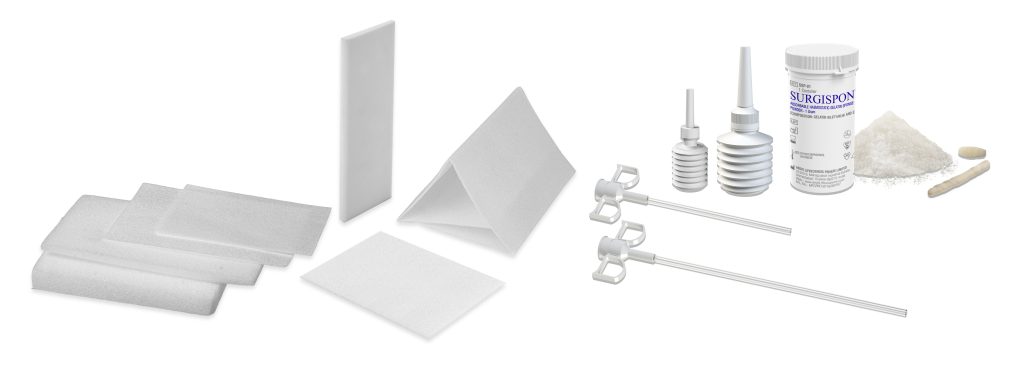 Fig.1: SURGISPON® Absorbable Haemostatic Sponge
Why SURGISPON® Makes a Difference?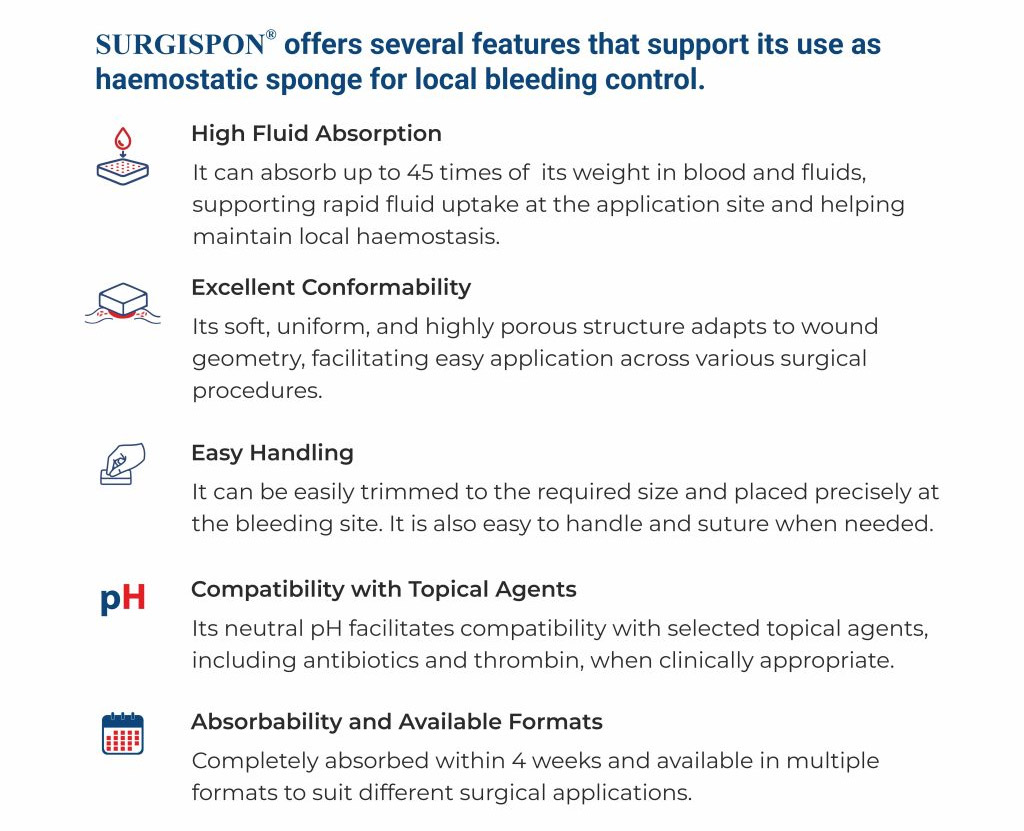 Clinical Evidence Supporting Absorbable Gelatin Sponge in Open Vascular Surgery
A retrospective clinical evaluation assessed the use of an absorbable gelatin sponge (AGS) across 449 open vascular procedures over a two-year period at a single-centre. The procedures included endarterectomy, bypass surgery, arterial and aneurysm repair, grafts, patches, angioplasty, and combined interventions.3
Surgical Application of AGS3
- Application: AGS was cut into 3-4 strips, positioned with forceps, and gently applied with soft tamponade for at least 1 minute.
- Easy handling: It was used directly from the package and could be easily cut and could easily be repositioned, allowing for optimal placement at the bleeding site.
- Conformability: Easily grasped with forceps, the semi-rigid dry sponge allowed a high degree of maneuverability and conform to vessel contours for optimal placement.
- Structural integrity: AGS maintained its strength after absorbing blood and could be repositioned before wound closure.
- In situ placement: The material was left in place during wound closure to support haemostasis at the anastomotic site.
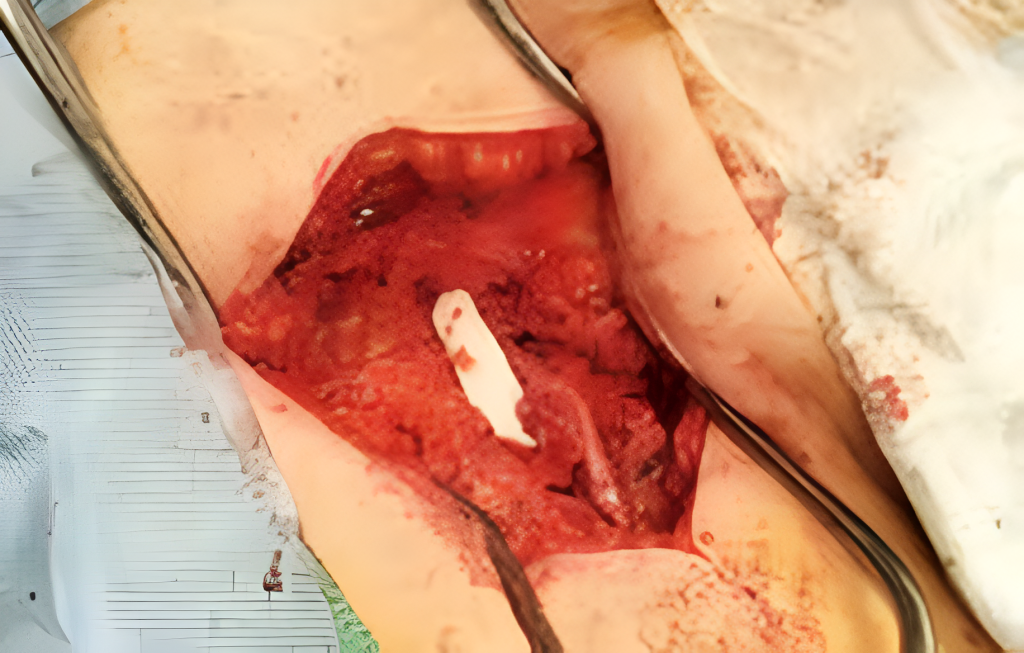 Fig. 2. AGS applied during pericardial patch angioplasty, showing excellent conformability at the anastomotic site.3
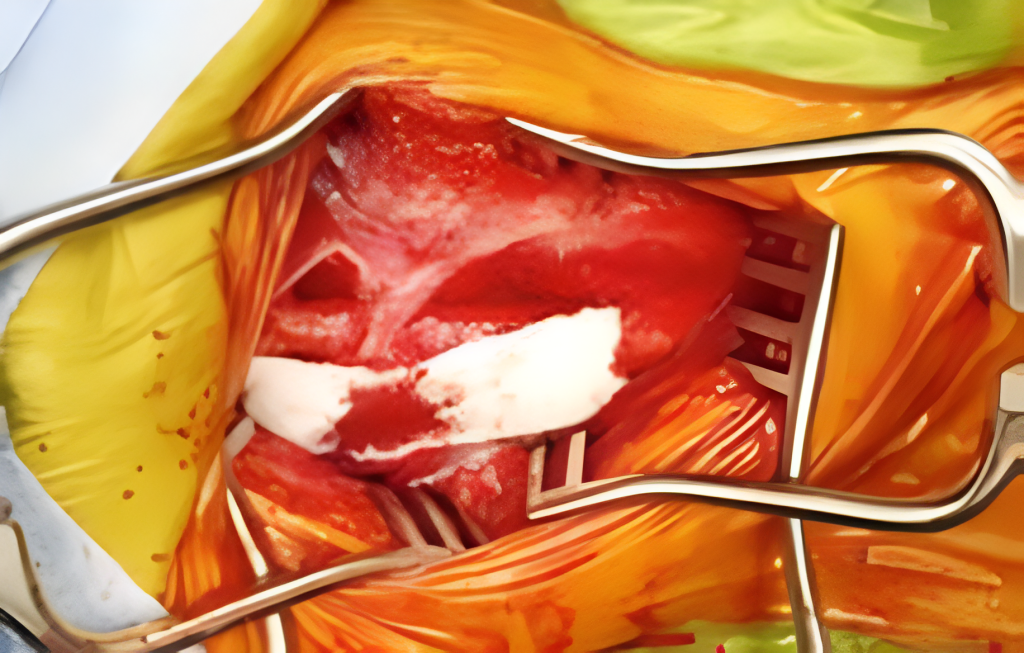 Fig. 3. AGS used in a carotid endarterectomy; absorbs blood immediately upon contact and stops the bleeding within 2 minutes. 3
Key Clinical Findings3:
- AGS successfully induced haemostasis at the site of vascular anastomoses during a range of procedures involving major arteries.
- Haemostasis was achieved within approximately 1–2 minutes of application.
- Rapid fluid absorption improved visibility of the surgical site.
- AGS showed excellent handling and maintained its shape while wet, making it easier to reposition if needed.
Overall, the AGS demonstrated rapid action upon contact with blood and fluids while remaining easy to handle after saturation. No device-related complications were reported across the vascular procedures, indicating a good safety and handling profile.3
Conclusion:
Bleeding control is an important part of open vascular surgery, particularly around delicate anastomotic sites. When standard techniques alone are not enough, an absorbable gelatin sponge can provide useful support at the bleeding site. With its easy handling and absorbable design, SURGISPON® can be a practical adjunct to the surgeon’s haemostatic approach, helping manage bleeding when and where additional support is needed.
Frequently Asked Questions
- What is SURGISPON®?
SURGISPON® is a sterile absorbable gelatin sponge designed to assist local haemostasis by absorbing blood and providing a scaffold for clot formation.
- Can SURGISPON® be used for cardiovascular surgery?
Yes, SURGISPON® can be used as a topical adjunct for haemostasis in cardiovascular surgery when conventional techniques are ineffective or impractical for controlling capillary, venous, and arteriolar bleeding.
- Does SURGISPON® need to be removed after surgery?
No, SURGISPON® is absorbable and is gradually absorbed by the body after haemostasis is achieved. It may be left at the bleeding site when clinically appropriate; however, any excess material should be carefully removed to minimise the risk of dislodgement or compression of nearby anatomical structures.
- What are the benefits of SURGISPON® in open vascular surgery?
SURGISPON® offers rapid blood absorption, immediate haemostatic action, conformability, easy handling, and structural integrity when saturated, supporting efficient local bleeding control. Its ready-to-use format and precise placement may help shorten time to haemostasis and reduce operative time. It also supports local delivery of compatible antibiotics when clinically appropriate.3,4
References:
- Veith FJ. A look at the future of vascular surgery. Journal of Vascular Surgery. 2016 Oct 1;64(4):885-90. http://dx.doi.org/10.1016/j.jvs.2016.07.096
- Qerimi B, Baumann P, Hüsing J, Knaebel HP, Schumacher H. Collagen hemostat significantly reduces time to hemostasis compared with cellulose: COBBANA, a single-center, randomized trial. The American Journal of Surgery. 2013 Jun 1;205(6):636-41. https://doi.org/10.1016/j.amjsurg.2012.05.033
- McDonald DS. Performance of GELITA-SPON® RAPID3 during use in open vascular surgeries, as an alternative to traditional hemostatic agents. Gelita Medical Clinical Investigation Paper. 2016;5.
- Elkhouly M, Fouad A. The Role of Absorbable Gelatin Sponge (Gel Foam) in Control of Sternal Bleeding during Cardiac Surgery. The Egyptian Journal of Hospital Medicine. 2023 Jan 1;90(1):335-42. https://doi.org/10.21608/ejhm.2023.279614