


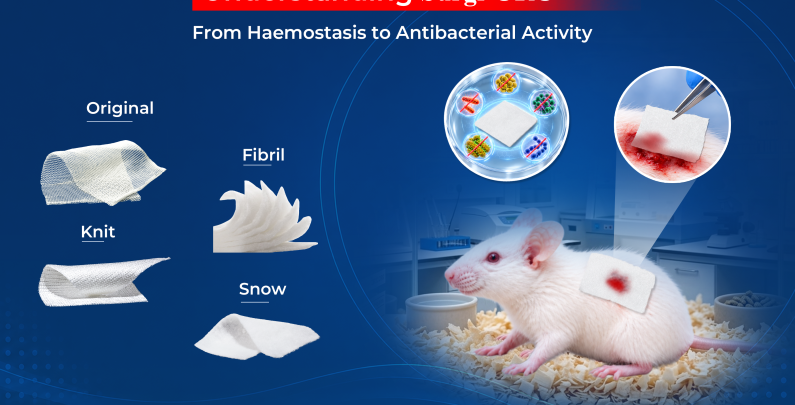
Understanding Surgi-ORC®: From Haemostasis to Antibacterial Activity
Effective bleeding control and wound management are crucial for promoting tissue repair and lowering the risk of surgical complications. While haemostasis is important for controlling bleeding, microbial contamination may delay wound healing, prolong inflammation, and raise the risk of wound-related complications. Common pathogens, including Pseudomonas aeruginosa, Acinetobacter baumannii, and Staphylococcus aureus, can contaminate surgical wounds, impair healing, and contribute to surgical site infections (SSIs).1,2 SSIs remain a significant global healthcare concern, particularly in low- and middle-income countries. 1-3 The growing challenge of antimicrobial resistance can complicate infection management, underscoring the need for effective infection-control strategies to reduce the risk of SSIs.
These challenges have raised interest in haemostatic agents with antimicrobial properties that may help address both bleeding and microbial burden. One such approach is Surgi-ORC®, an absorbable haemostatic agent that supports bleeding control, while its material properties may create a less favourable environment for bacterial growth.
This blog discusses its potential role in haemostasis, antimicrobial activity, and surgical wound management.
Understanding the Surgi-ORC®
Surgi-ORC® is a plant-based, absorbable haemostatic agent composed of oxidized regenerated cellulose (ORC). It is designed to assist in controlling capillary, venous, and minor arterial bleeding and can be used across a wide range of surgical procedures, including thoracic, neurosurgical, orthopaedic, general, gynaecological, and urological procedures.2,4
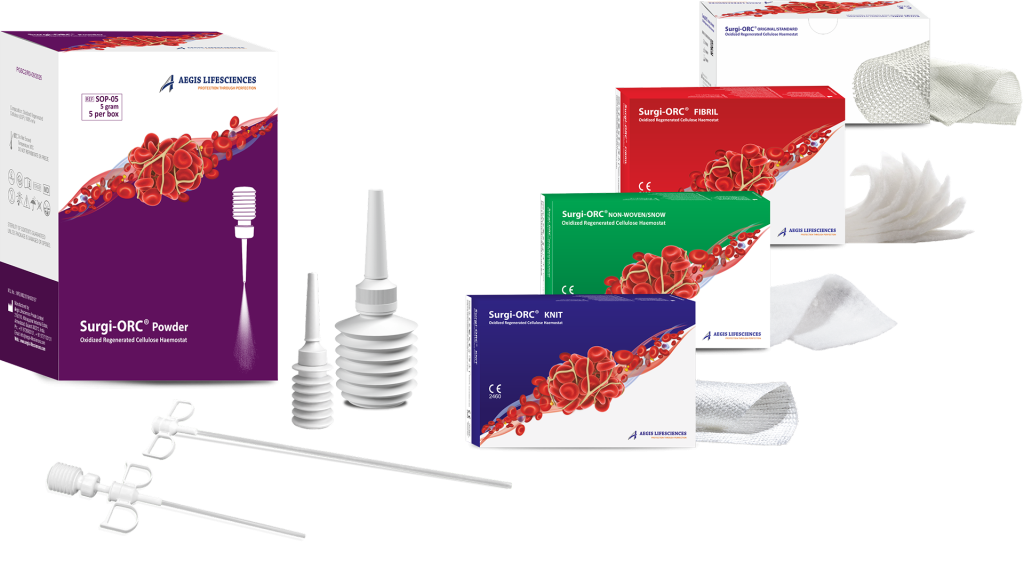 Figure 1: Surgi-ORC® Absorbable Haemostatic Oxidized Regenerated Cellulose
What Makes Surgi-ORC® Adaptable to Different Surgical Needs?
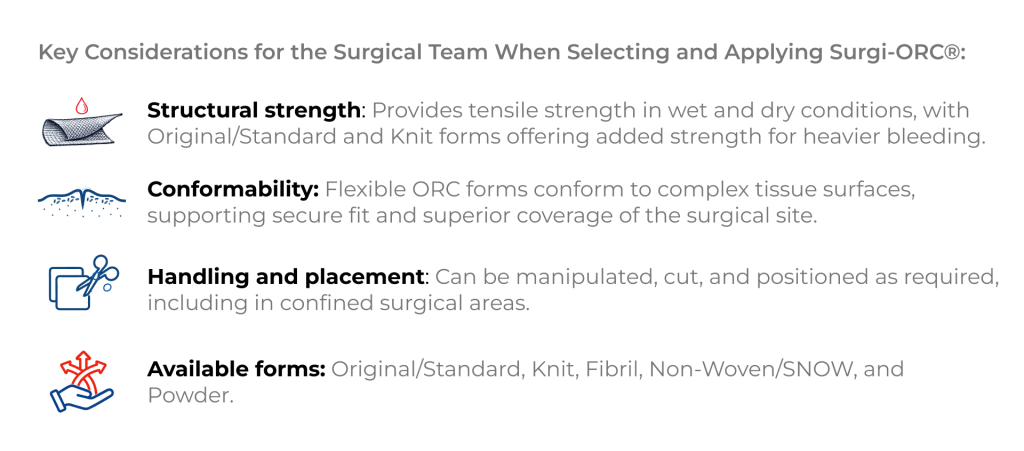
Surgi-ORC® is available in multiple configurations to suit different surgical sites and procedural requirements. The material maintains its integrity during application without tearing, crumbling, or shrinking, while its uniform texture supports easy handling and adherence to the surgical site.2,4
The appropriate device variants may be selected based on the application, surgical site, and surgeon preference and experience.
 How Surgi-ORC® Supports Haemostasis and Antibacterial Activity?
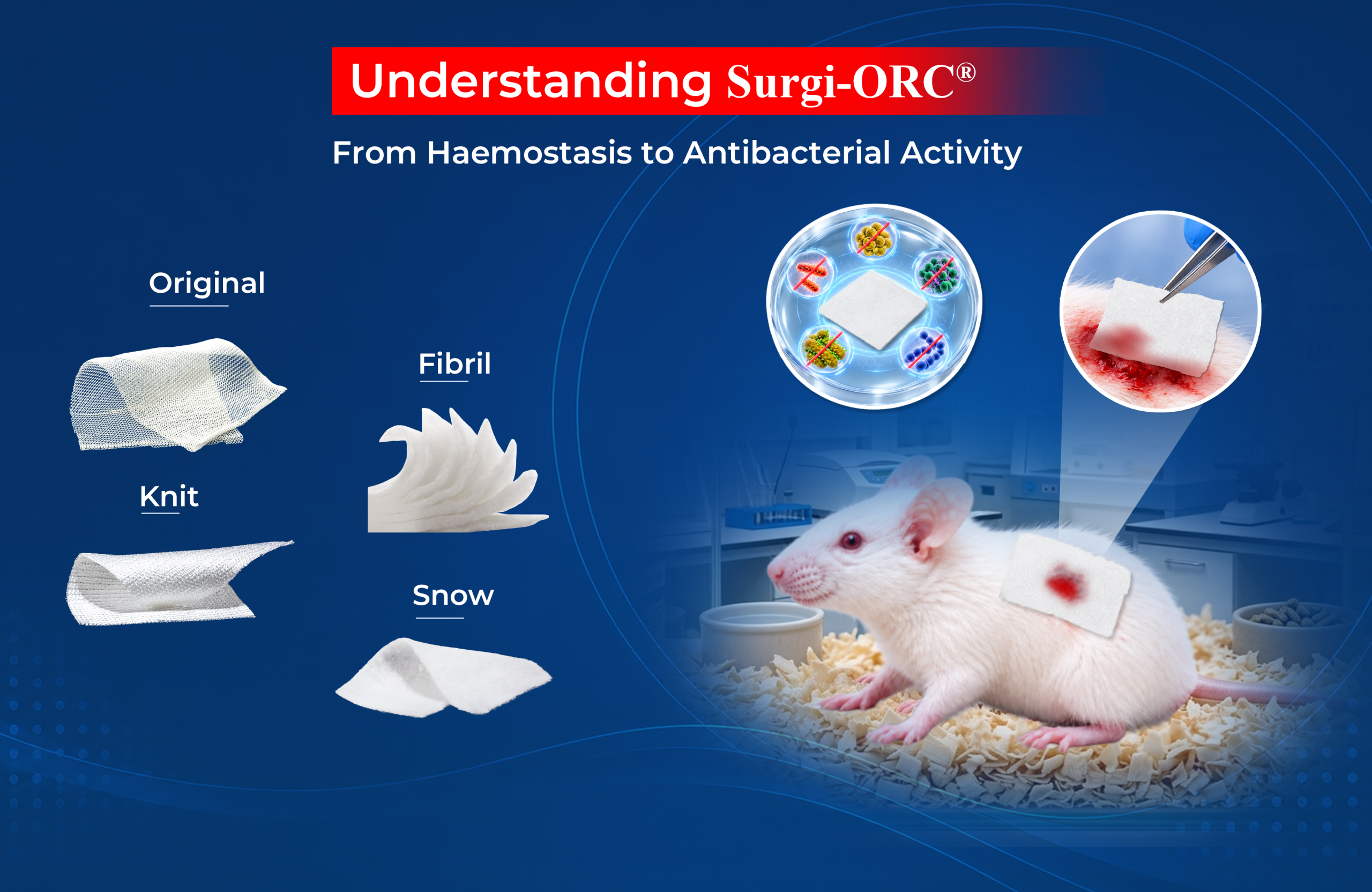
At the surgical site, Surgi-ORC® supports haemostasis following application, while its antibacterial properties may help create a favourable local environment for wound healing. As these effects progress, the material gradually degrades and is subsequently absorbed at the site of application, typically within approximately 7–14 days. The overall sequence of events following application is illustrated in Figure 2.2
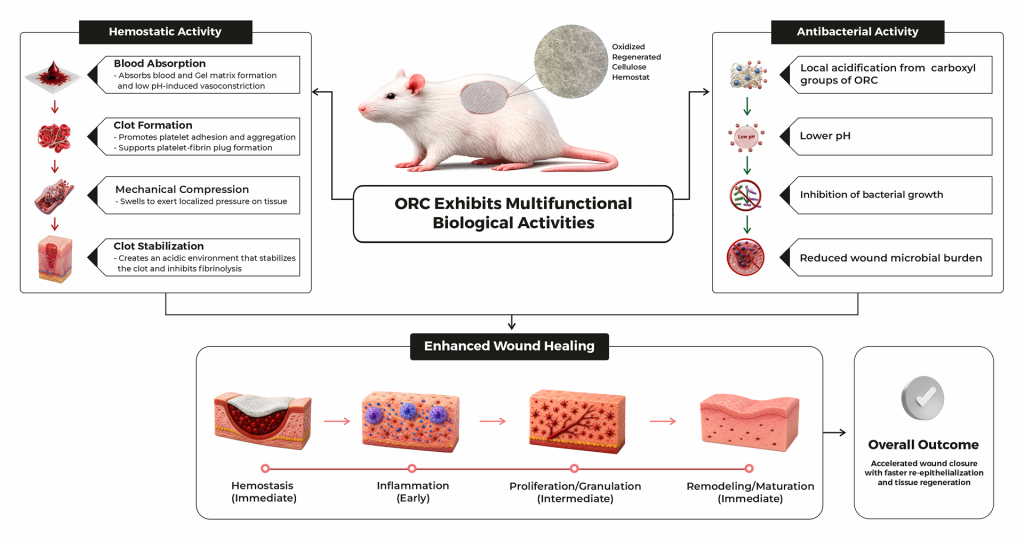 Figure 2: Schematic representation of the proposed dual-action haemostatic and antibacterial mechanisms of Surgi-ORC® in wound healing in a Wistar rat model2
What Does the Evidence Show?
The antibacterial activity of Surgi-ORC® was evaluated in-vitro against 32 distinct bacterial strains and in-vivo in a polymicrobial Wistar rat excisional wound model (n = 42). Haemostasis, wound contraction, clinical observations, and histopathological changes were assessed over 28 days.
The strains were classified into four groups: Group A, Gram-positive cocci; Group B, Gram-positive rods; Group C, Gram-negative cocci and rods; Group D, antibiotic-resistant cocci and rods, including MRSA, VRE, carbapenem-resistant Acinetobacter baumannii, ESBL-producing, fluoroquinolone-resistant, and SHV β-lactamase-producing bacteria.2
- Key Observation – In-Vitro:2
- In-vitro bactericidal activity: The Surgi-ORC® sheet demonstrated in vitro bactericidal activity against common hospital-acquired infection pathogens, including both Gram-positive and Gram-negative organisms.

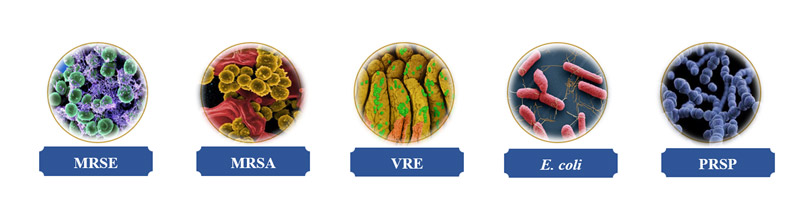
Figure 3: In-vitro bactericidal activity demonstrated against the common five pathogens associated with hospital-acquired infections
- Zone of inhibition: Surgi-ORC® demonstrated in-vitro antimicrobial activity against all 32 tested bacterial strains, with inhibition zones of 23.62–43.47 mm after 24 hours, indicating broad-spectrum activity.
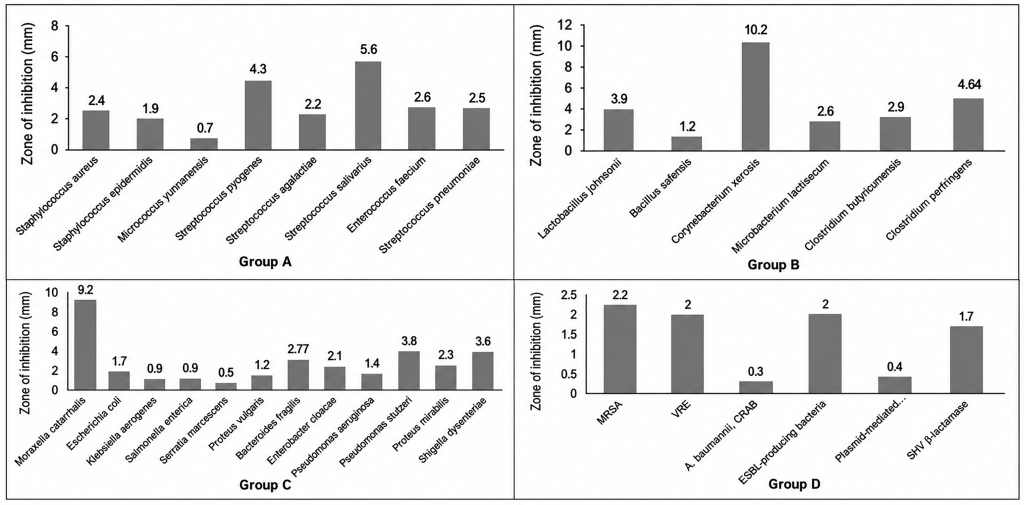
Figure 4: Group-wise inhibition zones of bacterial strains after 24h exposure to Surgi-ORC®2
- Key Observation – In-Vivo:2
- Haemostasis: Surgi-ORC® achieved haemostasis within 42.2–54 seconds, significantly shorter than the disease-control group (adjusted p < 0.001).
- Wound closure: wound healing was statistically significant for the test specimens achieved up to 88.5% wound closure by day 28 (adjusted p < 0.001).
- Histopathology: By day 28, wounds showed complete re-epithelialization and reduced inflammatory infiltration on histopathological examination.
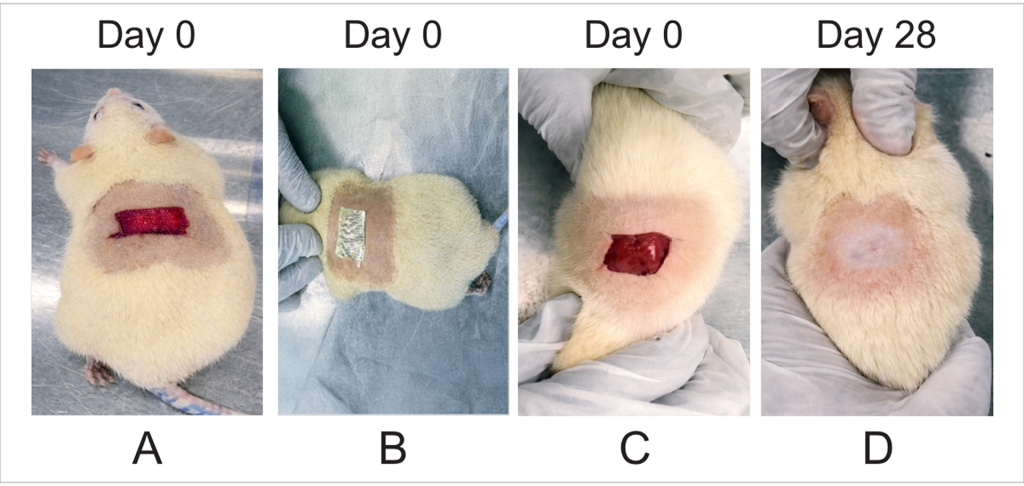
Figure 5: Representative images of haemostasis and wound healing in a Group C animal following ORC application: (A) Full-thickness excisional wound immediately after wound creation (Day 0), (B) ORC test item applied to the wound bed (Day 0), (C) Wound appearance after achieving haemostasis (Day 0), (D) Complete wound closure with re-epithelialization (Day 28).2
These preliminary data suggest that the tested Surgi-ORC® may serve as a multifunctional surgical aid, supporting haemostasis while potentially contributing to reduced bacterial burden during the early stages of wound healing.2
Conclusion
Preclinical findings of the Surgi-ORC® demonstrated antibacterial activity, effective bleeding control, progressive wound closure, and favourable histopathological outcomes. Surgi-ORC® offers a multifaceted approach to surgical bleeding control and wound management by combining haemostatic and intrinsic antibacterial properties. Its ease of handling, placement, and conformability at the application site may further support its practical use as an absorbable rapid haemostatic material in surgical care.
Frequently Asked Questions
- Does Surgi-ORC® replace antibiotic prophylaxis?
No, Surgi-ORC® exhibits antibacterial activity primarily through its low-pH environment, which may inhibit the growth of certain microorganisms. However, it is not intended to replace systemic therapeutic or prophylactic antibiotics when these are clinically indicated.
- How long does Surgi-ORC® take to work?
Surgi-ORC® is designed for simple, direct application to the bleeding site. It can be applied dry and acts locally to support haemostasis. Across its different variants, haemostasis is typically achieved within 2–5 minutes and may require up to 10 minutes, depending on the surgical procedure and bleeding intensity.
- Is Surgi-ORC® recommended for packing or wadding of surgical wounds or sites?
No, Surgi-ORC® is not recommended for packing or wadding of surgical wounds or sites, as it may interfere with drainage or exert unwanted pressure.
- Does Surgi-ORC® need to be moistened before application?
No, Surgi-ORC® should be applied dry. Moistening with water or saline may affect its haemostatic performance, and its haemostatic effect is greater when applied in a dry condition.
References:
- Alhetheel AF, Alrfaei BM, Mujamammi AH, Hakami JA, Alshuhri AA. REGECEL (an Oxidized Regenerated Cellulose) Provides Superior Bioactivity Effect on Microorganisms. Infect Drug Resist. 2024;17:3353-3365. Published 2024 Aug 7. doi:10.2147/IDR.S454539
- Patel PG, Trivedi B, Karatela SN. Preclinical Performance Evaluation of an Oxidized Regenerated Cellulose Hemostat: Antibacterial Activity and Wound Healing Outcomes. Medical Devices: Evidence and Research. 2026;19:610024. DOI: 10.2147/MDER.S610024.
- Mengistu DA, Alemu A, Abdukadir AA, et al. Global Incidence of Surgical Site Infection Among Patients: Systematic Review and Meta-Analysis. INQUIRY: The Journal of Health Care Organization, Provision, and Financing. 2023;60. doi:10.1177/00469580231162549
- Patel P, Sharma D, Trivedi B, Karatela S. Real-world evaluation of the safety and efficacy of Surgi-ORC® in orthopedic surgeries: a multicenter prospective study. Cureus. 2025 Feb 6;17(2). DOI: 10.7759/cureus.78616
Important Note: The selection and use of the product should be based on the surgeon’s clinical expertise and the specific requirements of the surgical site. Please refer to the Instructions for Use (IFU) for complete information on instructions, contraindications, warnings, and precautions.