


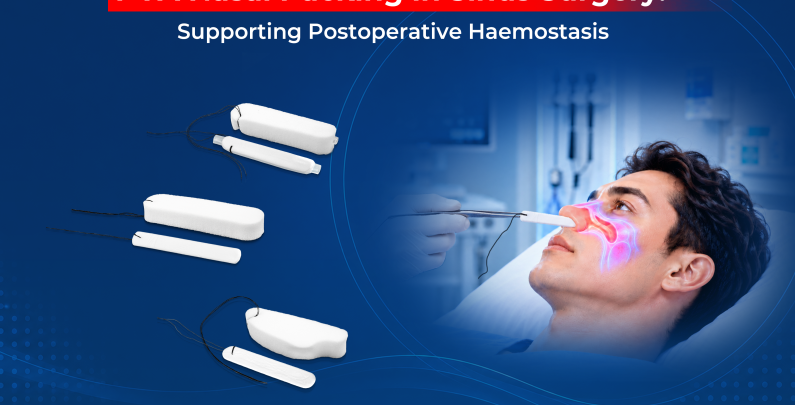
PVA Nasal Packing in Sinus Surgery: Supporting Postoperative Haemostasis
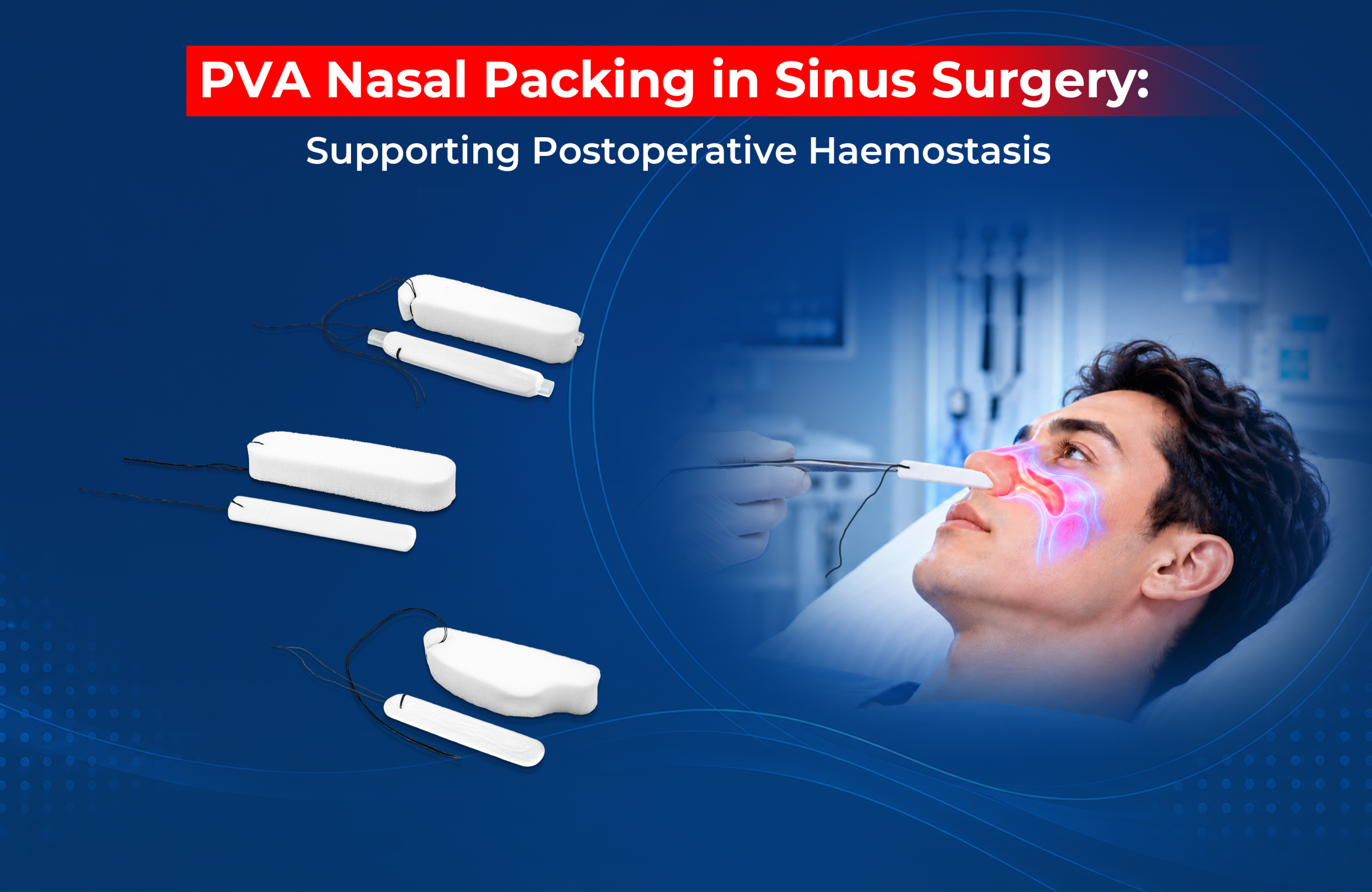
Nasal packs are indispensable in ENT practice and are commonly used after sinus surgery to help control bleeding and support post-operative healing. The choice of sinus surgery packing material can influence bleeding control, patient comfort, and overall postoperative care.1,2 However, prolonged use of traditional nonabsorbable nasal packs may be associated with complications. Materials such as roller or ribbon gauze soaked in liquid paraffin or bismuth iodoform paraffin paste is still commonly used but may cause mucosal injury, paraffin granuloma formation, and discomfort during insertion and removal.3,4
An effective nasal pack should provide adequate tamponade and fluid absorption while minimizing mucosal irritation. Easy handling and atraumatic removal are also important considerations during postoperative care.These needs have led to the use of alternatives such as polyvinyl alcohol (PVA) nasal pack, including SURGI-PVA™, which help support haemostasis, absorb fluids, and improve patient comfort.
Let’s take a moment to explore SURGI-PVA™ and how it supports sinus surgery packing and postoperative nasal care.
Understanding SURGI-PVA™
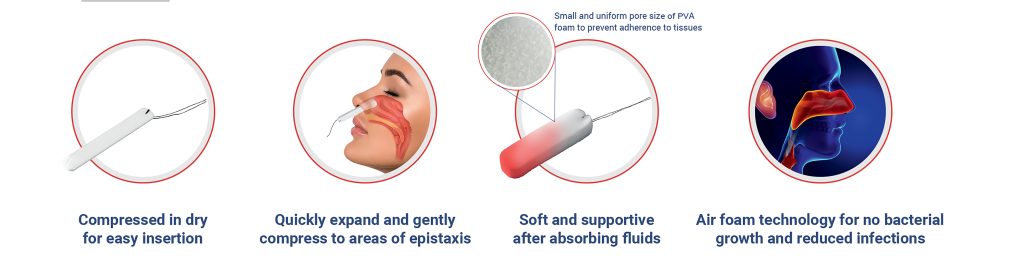
SURGI-PVA™ sponge is a PVA-based medical device designed for use during surgical and microsurgical procedures to absorb blood and other fluids while providing mechanical tamponade when placed within anatomical cavities. The sponge works through physical absorption and expands upon moistening. It is intended for placement inside the nasal cavities to help control epistaxis (nosebleeds) and support postoperative care following procedures such as sinus surgery and other ENT procedures.
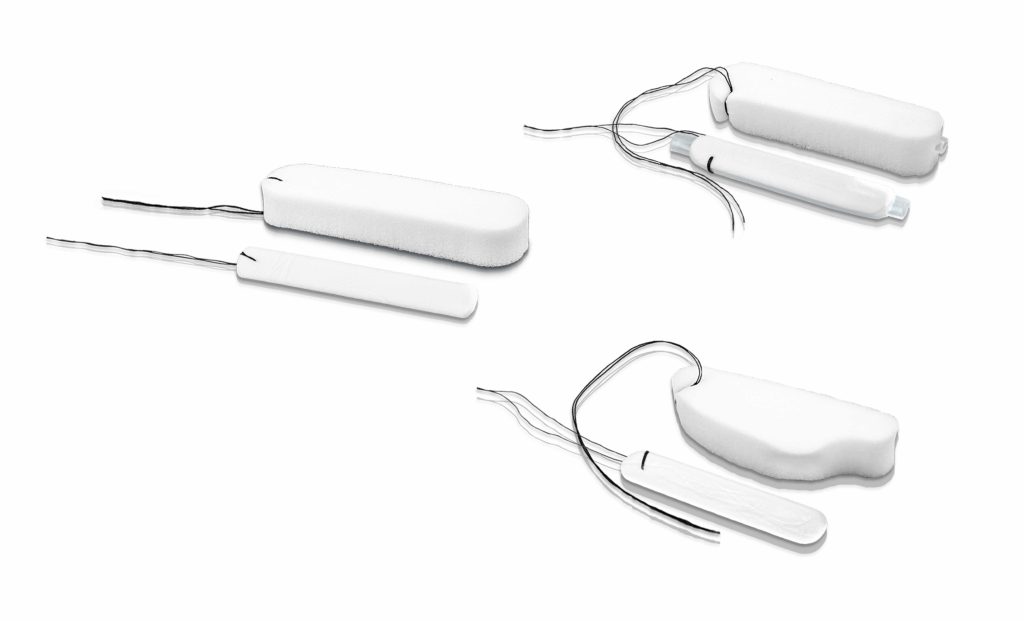 Figure 1. SURGI-PVA™ – Polyvinyl Alcohol Medical Sponge Dressings
Key features and benefits of SURGI-PVA™
SURGI-PVA™ features soft, rounded edges for gentle insertion and removal, while the tube-type pack allows nasal airflow to support patient comfort. It is suitable for septoplasty, sinus, and other nasal procedures, as well as otologic surgeries, and may help prevent middle turbinate lateralization following functional endoscopic sinus surgery.
The key features and benefits of SURGI-PVA™ include:
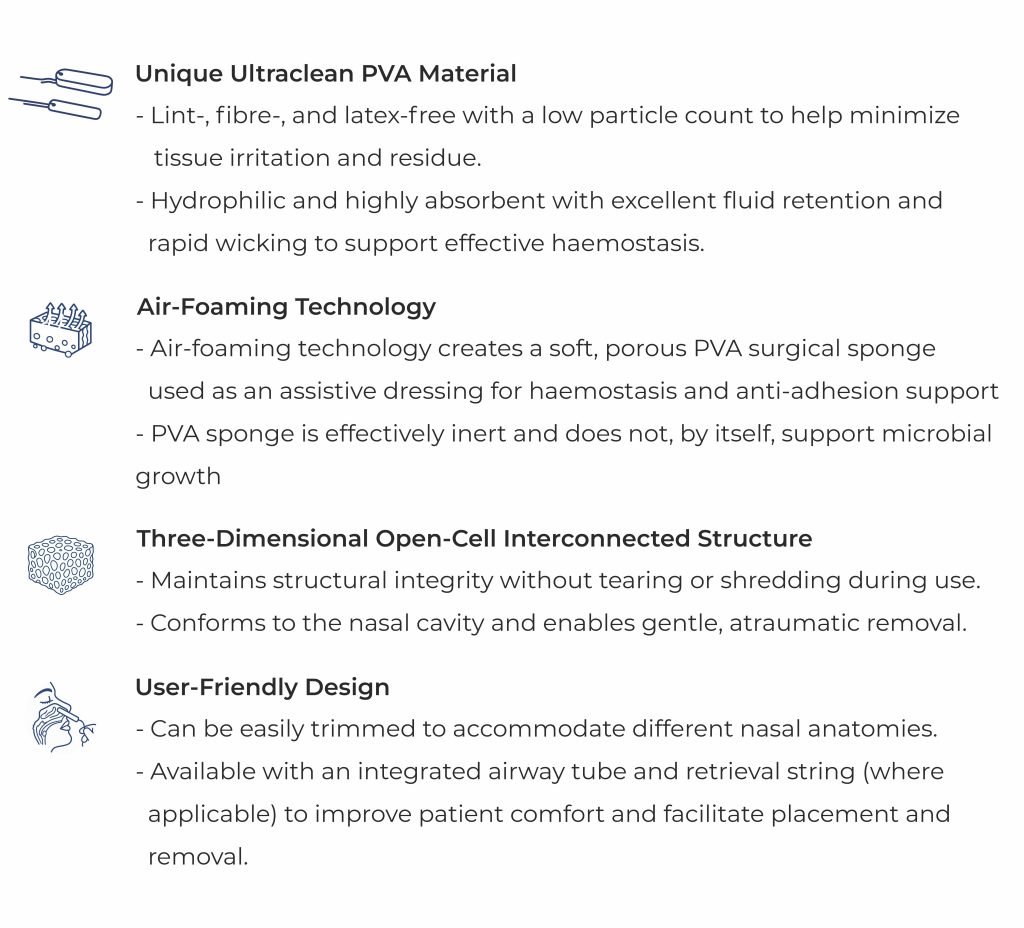 Unique Benefits:
 Clinical Evidence for PVA Nasal Packing
A prospective analytical study was conducted over 18 months, involving 100 patients randomized into two groups: Group A (PVA nasal pack, n = 50) and Group B (roller gauze with Soframycin, n = 50). Postoperative outcomes, including pain, bleeding, crusting, synechiae and mucosal oedema, were systematically recorded and analyzed.4
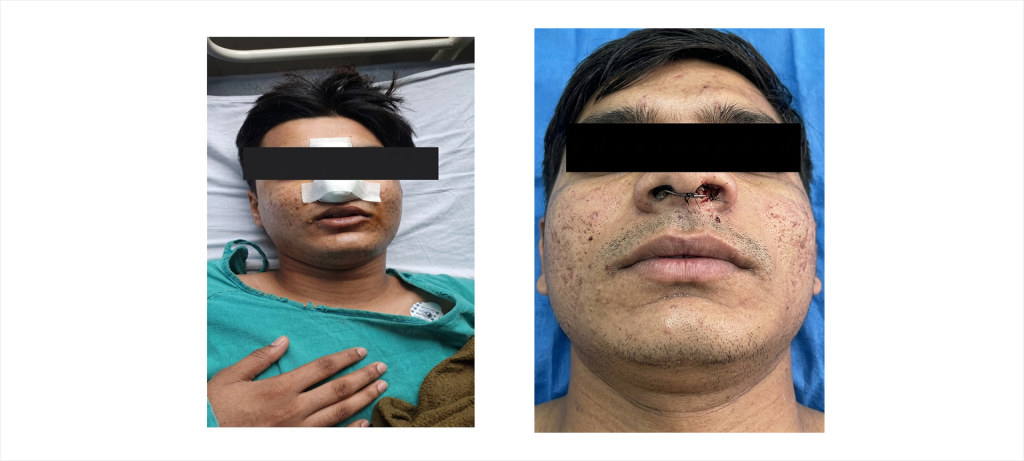 Figure 2. Anterior nasal packing using PVA nasal pack in situ4
Key clinical postoperative outcome observations⁴:
- Postoperative bleeding: PVA nasal packing significantly reduced postoperative haemorrhage compared with roller gauze.
- Synechiae: Fewer cases of synechiae were observed with PVA nasal packing.
- Crusting: Crusting was more frequently observed with roller gauze.
- Septal haematoma: Septal haematoma was more frequently observed with roller gauze.
Overall, the PVA nasal pack performed better than conventional roller gauze in controlling bleeding, reducing adhesion formation, and preserving the nasal mucosa. It may therefore be a useful option for postoperative nasal packing, with potential benefits for reducing complications and improving patient comfort.4
Conclusion:
PVA nasal packing offers a practical solution for postoperative management following sinus surgery. With its highly absorbent structure and easy handling, SURGI-PVA™ supports effective bleeding control and helps promote patient comfort during recovery.Its design makes it a useful choice for healthcare professionals looking for reliable and easy-to-use nasal packing solutions.
Frequently Asked Questions
- What is SURGI-PVA™ used for?
SURGI-PVA™ is designed for nasal packing following procedures such as sinus surgery, septoplasty, turbinectomy, and rhinoplasty. It can also be used for epistaxis management, providing fluid absorption, haemostatic support, and tamponade. Its highly absorbent and expandable structure helps effectively fill the nasal cavity.
- How does SURGI-PVA™ help control postoperative bleeding?
SURGI-PVA™ has a hydrophilic PVA structure that rapidly absorbs blood and other fluids. As it expands, it provides gentle local tamponade, helping support haemostasis at the surgical site.
- Can SURGI-PVA™ be trimmed to fit different nasal anatomies?
Yes. SURGI-PVA™ can be trimmed to the desired size and shape, allowing the pack to be adapted to the nasal cavity and specific clinical requirements.
- How is SURGI-PVA™ removed after surgery?
Nasal packing is generally removed within 72 hours, depending on the surgical procedure and the clinician’s assessment.
- Prior to retrieval of ENT surgical sponge, apply normal saline to the sponge and allow it to become thoroughly moistened for up to 10 minutes.
- Using tweezers, gently pull the sponge. If resistance is felt, apply additional saline, allow the sponge to soften, and try again. Avoid excessive force to minimize the risk of tissue injury.
- Continue gently until the sponge is completely removed.
- Is SURGI-PVA™ comfortable for patients?
Yes, SURGI-PVA™ Sponge features soft, rounded edges and an open-cell structure designed to minimize tissue irritation. It is also available with an integrated airway tube that allows airflow through the nasal passage while the pack remains in place, helping improve patient comfort.
References:
- Weber RK. Nasal packing and stenting. GMS current topics in otorhinolaryngology, head and neck surgery. 2011 Mar 10;8:Doc02.doi: 10.3205/cto000054
- Akbari E, Philpott CM, Ostry AJ, Clark A, Javer AR. A double-blind randomised controlled trial of gloved versus ungloved merocel middle meatal spacers for endoscopic sinus surgery. Rhinology. 2012 Sep 1;50(3):306-10.doi: 10.4193/Rhino11.215
- Swaroop DM, Narayanaswamy GN, Mehrin S, Anu PK, Vandana M. A study of the complications of ribbon gauze impregnated with soframycin nasal packing and merocel packing in post-septoplasty patients. Journal of Evolution of Medical and Dental Sciences. 2015 Mar 19;4(23):3966-72. https://doi.org/10.14260/jemds/2015/571
- Agrawal P, Singhal P. A Prospective Comparative Study Of Conventional Nasal Packing V/S Merocel Packing (Self-Expanding Oxycellulose) In Nasal Surgery.5Int. J. Life Sci. Biotechnol. Pharma. Res.2025.29 doi: 10.69605/ijlbpr_14.9.2025.29
Important note: The selection and use of the product should be based on the surgeon’s clinical expertise and the specific requirements of the surgical site.Please refer to the Instructions for Use (IFU) for complete information on instructions, contraindications, warnings, and precautions.