


From Hemostasis to Healing: SURGISPON® in Gynecological Procedures
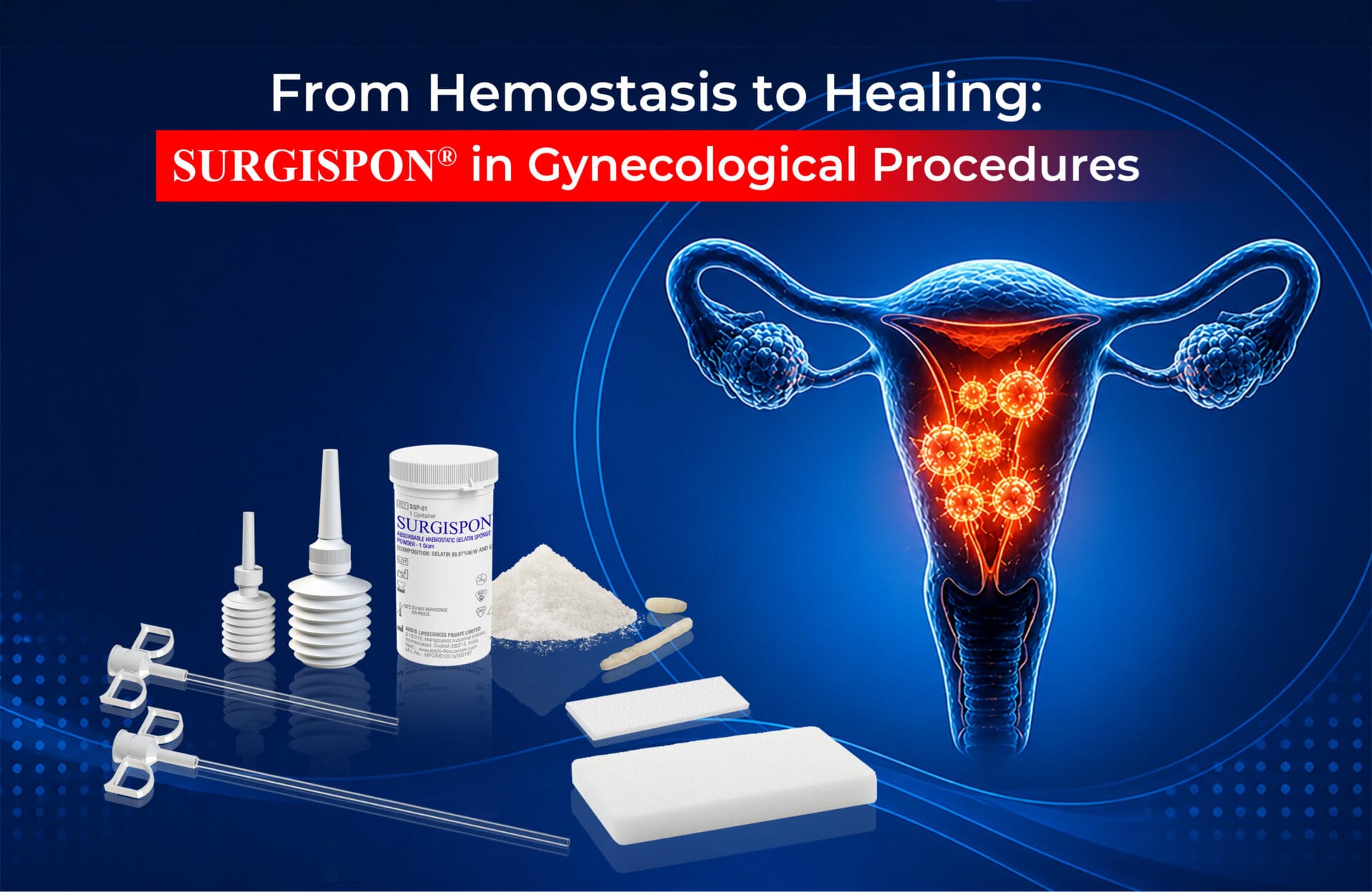
From Hemostasis to Healing: SURGISPON® in Gynecological Procedures
Gynecological surgery includes a wide range of procedures involving the female reproductive system. These include treatment of uterine fibroids, endometriosis, ovarian cysts, abnormal uterine bleeding, gynecological cancers, pelvic inflammatory disease, ectopic pregnancy, and fertility-related interventions.1 While these surgeries are frequently performed, they come with potential complications like infections, bleeding, damage to organs and scarring.1,2 Bleeding is a common challenge in pelvic surgery because these organs have a rich blood supply. If not controlled, it can make it harder to see clearly and may increase the risk of complications.
To meet this challenge, a range of haemostatic agents have been developed. Among them, gelatin sponge-based agents such as SURGISPON® absorbable haemostatic sponge are widely used due to their ease of use, biocompatibility and effectiveness in achieving haemostasis, thereby contributing to improved surgical outcomes.
To better understand its clinical utility, it is important to examine the composition, mechanism of action, and applications of SURGISPON®.
What is SURGISPON®?
SURGISPON® absorbable haemostatic sponge is a fast-acting haemostat that rapidly controls bleeding and absorbs up to 45 times its weight in blood and fluids.
It is versatile for intraoperative use, including tamponade and shaping for complex gynaecological sites, and can also serve as a carrier for localized drug delivery. It is available in sponge, anal tampon and powder forms, with multiple density and thickness options.
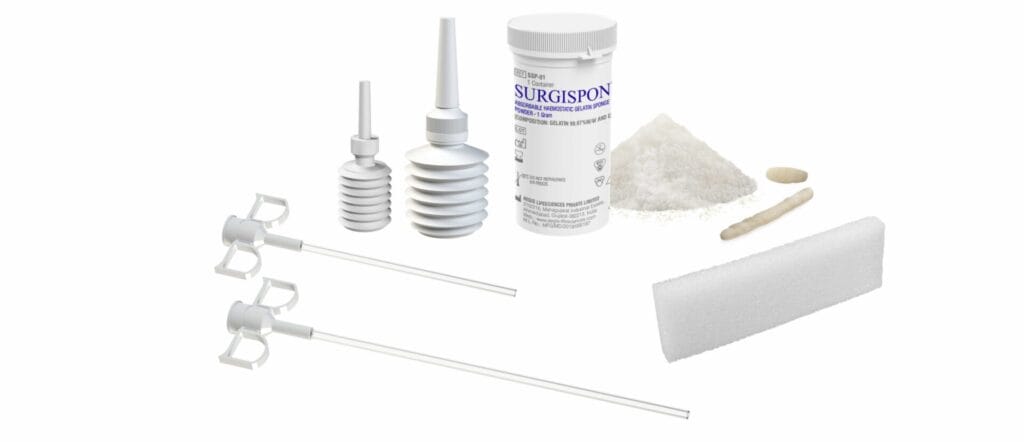
Fig. 1: SURGISPON® – Absorbable Haemostatic Sponge
Now let us get into what really defines SURGISPON® – its key characteristics, the benefits it brings, and where it is indicated.
What are the key characteristics of SURGISPON®?
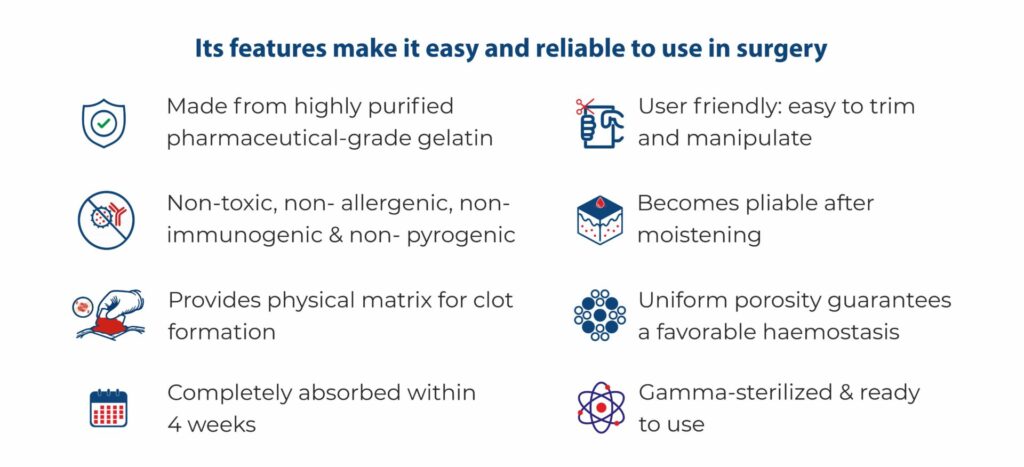
What are the key benefits?
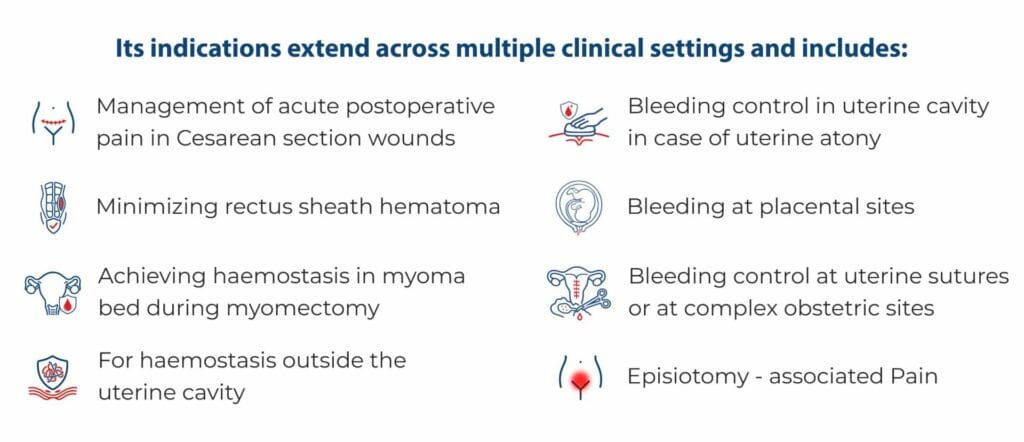 Where is SURGISPON® used in gynaecology?
What Does the Evidence Show?
Available studies support its role in gynaecological practice.
- A pilot study involving 15 patients undergoing myomectomy for fibroids evaluated the use of diluted vasopressin and a gelatin absorbable sponge for hemostasis. After myoma removal, the sponge was applied to the myoma bed before closure, resulting in effective bleeding control. Most cases showed low intraoperative blood loss, with operative times ranging from 60–150 minutes and postoperative hemoglobin remained unchanged in three cases.2
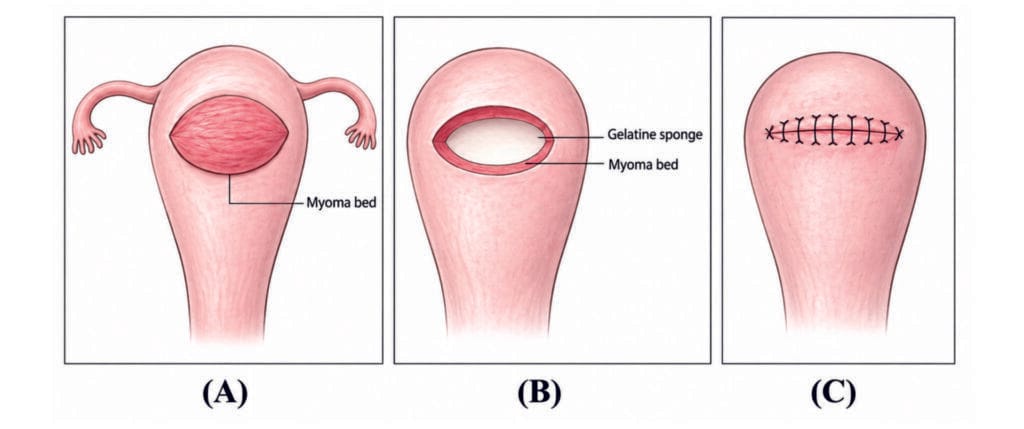 Fig. 2: (A) Myoma bed after removal from the posterior uterus. (B) Gelatin absorbable sponge (white colored) applied over the myoma bed. (C) Complete closure of the myoma bed with continuous baseball suturing of the serosal layer.2
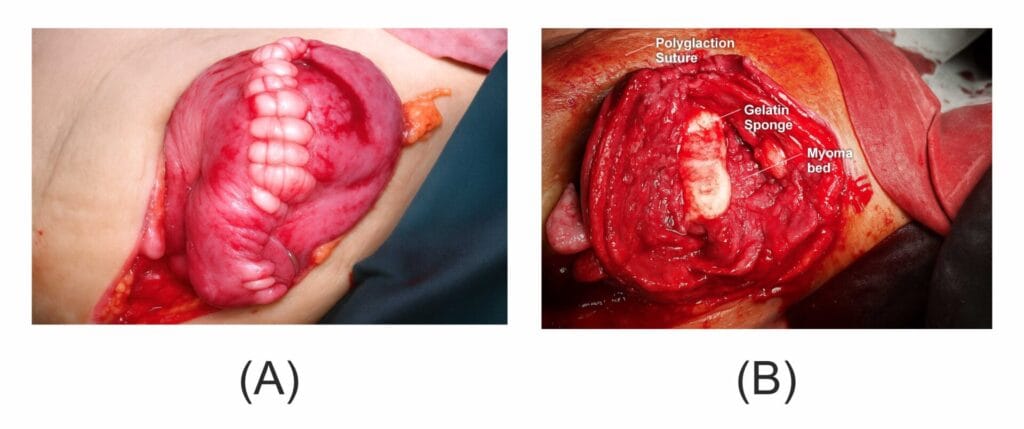 Fig. 3: (A) Final closure showing the serosal surface; myoma bed closed in three layers with gelatin sponge applied at each layer. (B) After myoma removal, closure initiated at the bed angle using polyglactin sutures; gelatin sponge placed at the base.2
- In a randomized study of 164 patients undergoing elective caesarean section, a bupivacaine-soaked gelatin sponge significantly reduced postoperative pain compared to control group.
Fewer patients required rescue analgesia, with lower opioid and diclofenac use.3
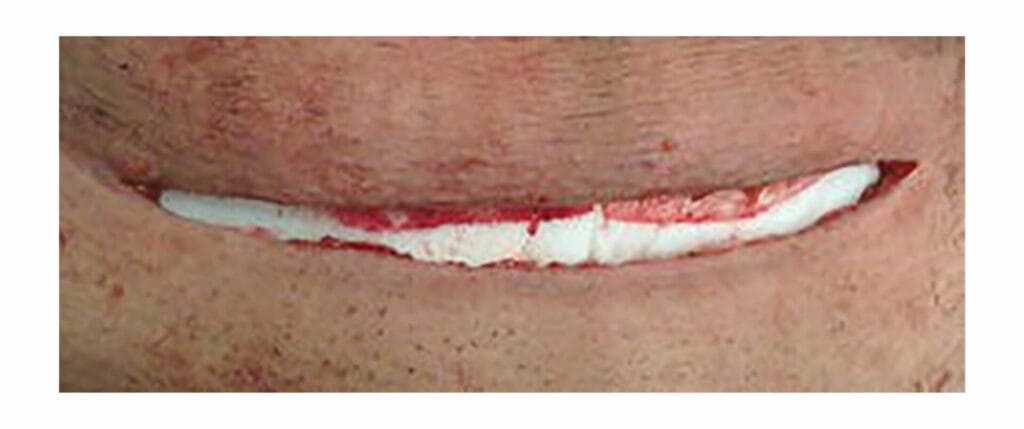 Fig. 4: Gelatin sponge placed in the caesarean section wound4
These findings suggest that the use of a bupivacaine-soaked gelatin sponge may be an effective technique in obstetric and gynecological procedures to reduce anxiety level and postpartum depression rate postoperative pain and enhance recovery.3,4 However, it should be noted that SURGISPON® is not indicated for the control of postpartum hemorrhage or menorrhagia.
Conclusion:
SURGISPON® serves as a practical and effective haemostatic aid in gynecological surgery. By ensuring reliable bleeding control, it reduces intraoperative challenges and operative time. Ultimately, it supports safer procedures, improves surgical efficiency, and enhances overall patient recovery outcomes.
References:
- Gynecological Surgery: Types, Indications, and Recovery – gynelap.com
- Pal M, Chatterjee S, Bandyopadhyay S. Gelatine sponge application in myoma bed to achieve hemostasis during myomectomy–A pilot study. Asian Journal of Medical Sciences. 2016 Jul 4;7(4):19-23. DOI: 10.3126/ajms.v7i4.14179
- Simavli S, Kaygusuz I, Kinay T, Baylan AA, Kafali H. Bupivacaine-soaked absorbable gelatin sponges in caesarean section wounds: effect on postoperative pain, analgesic requirement and haemodynamic profile. International journal of obstetric anesthesia. 2014 Nov 1;23(4):302-8. http://dx.doi.org/10.1016/j.ijoa.2014.07.004
- Simavli S, Kaygusuz I, Kafali H. Effect of bupivacaine-soaked spongostan in cesarean section wound on postoperative maternal health. Archives of gynecology and obstetrics. 2014 Aug;290(2):249-56. DOI 10.1007/s00404-014-3201-0