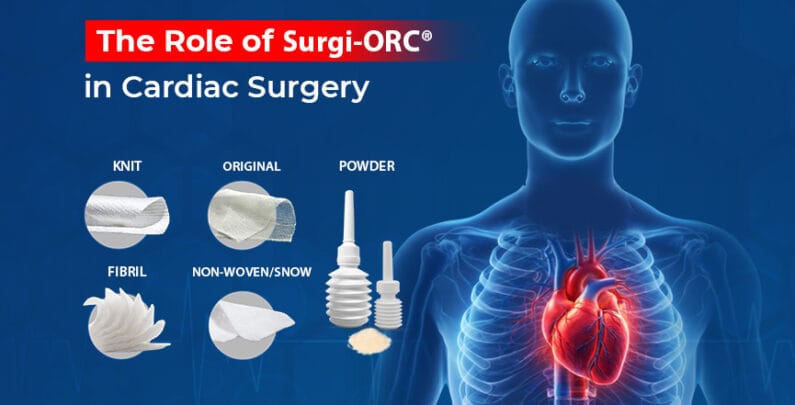
The Role of Surgi-ORC® in Cardiac Surgery
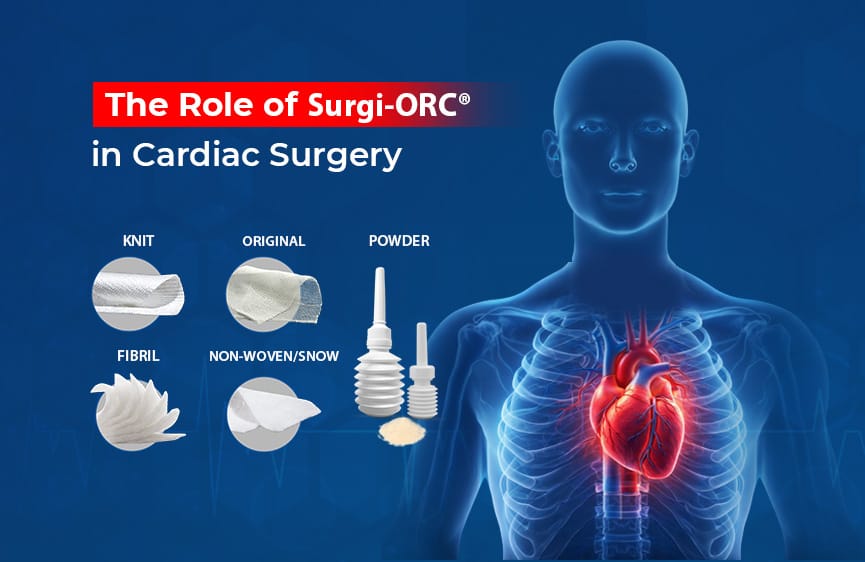
Cardiac surgery is a type of surgery performed on the heart and its associated blood vessels, involving delicate, highly vascular structures that require precise surgical care.1 Despite continuous advancements in surgical techniques, achieving effective haemostasis remains a critical challenge.2
Bleeding particularly diffuse oozing from soft tissues, sternal bone marrow, and surgical sites can increase the risk of complications. This challenge is even more pronounced in patients with comorbidities or those receiving antiplatelet therapy.2 Therefore, effective bleeding control is essential for safe outcomes.
Why is effective haemostasis so important in cardiac surgery?
Inadequate control of bleeding during cardiac surgery can lead to several complications, including:3,4
- Increased blood loss
- Higher transfusion needs
- Longer surgery and ICU stay
- Risk of reoperation due to excessive bleeding
- Complications such as tamponade or wound infection
- Impaired wound healing, seromas and sternal dehiscence
- Complications during the healing process in the sternotomy like severe osteomyelitis, purulent pericarditis and mediastinitis
Challenges with conventional haemostatic techniques:
Given these risks, surgeons rely heavily on conventional haemostatic methods—but are they always enough?
While electrocautery and bone wax are widely used for bleeding control, they may not be sufficient in all situations, particularly in cases of diffuse sternal intramedullary bleeding. Electrocautery is effective for controlling bleeding in soft and adipose tissues; consequently, it is ineffective for bone. Bone wax is commonly used to control sternal marrow bleeding due to its effectiveness and low cost; however, it can impair bone healing by inhibiting osseous fusion and may increase the risk of infection.2,3 These limitations highlight the need for advanced haemostatic solutions that can provide effective control without compromising healing.
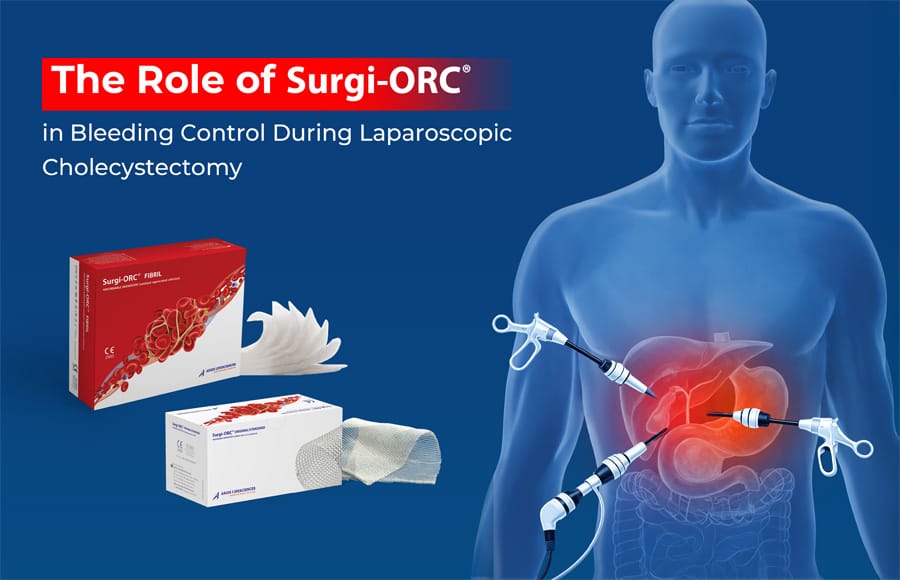
In such cases, oxidized regenerated cellulose (ORC) such as Surgi-ORC®,offers a practical and reliable option. It can be easy to apply over the sternotomy site, particularly along the intramedullary surface, helping to control bleeding before closure. This is where Surgi-ORC® can truly make a difference.
What is Surgi-ORC®?
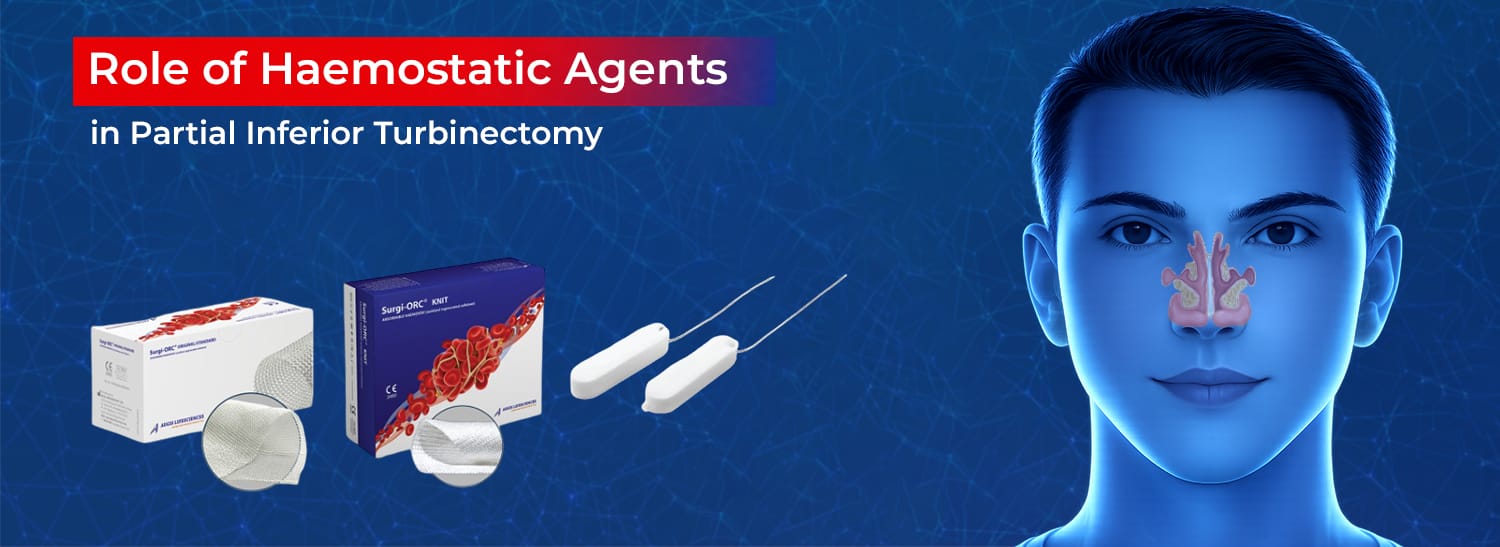
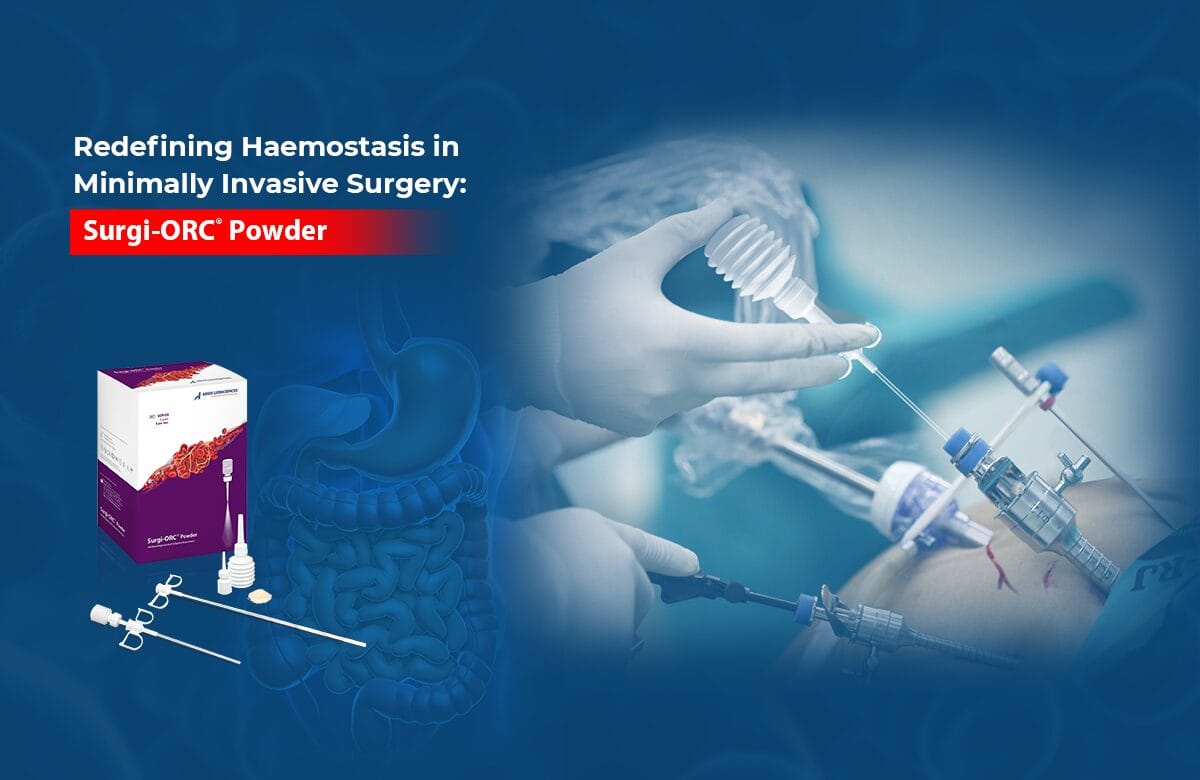
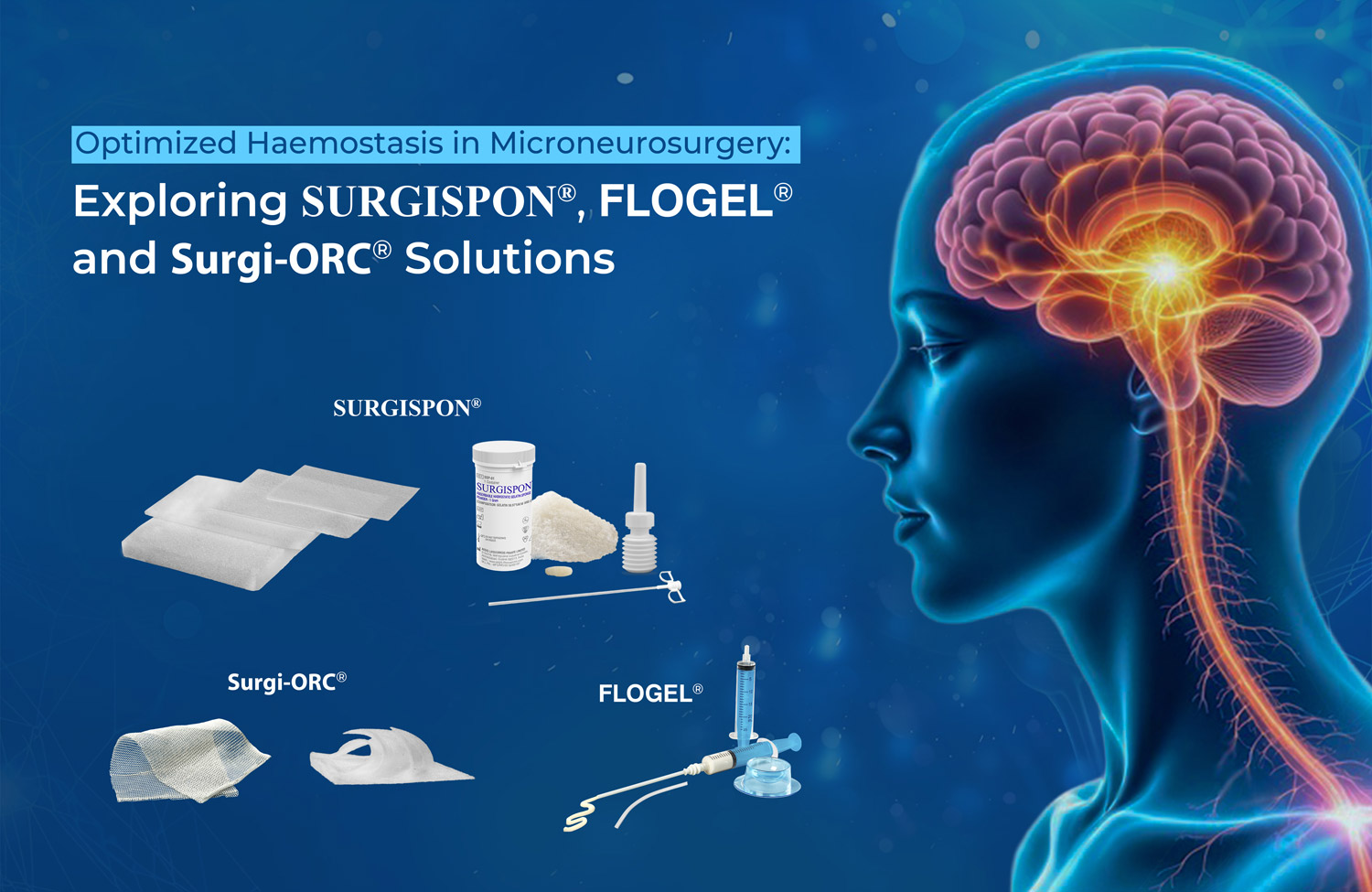
Before exploring its clinical advantages, let’s understand what makes Surgi-ORC® unique. Surgi-ORC® is a plant-based absorbable haemostat made up of oxidized regenerated cellulose (ORC) designed to stop capillary, venous and minor arterial bleeding. It is available in multiple forms, including Non-woven, Fibril, Knit, Original/Standard and Powder.
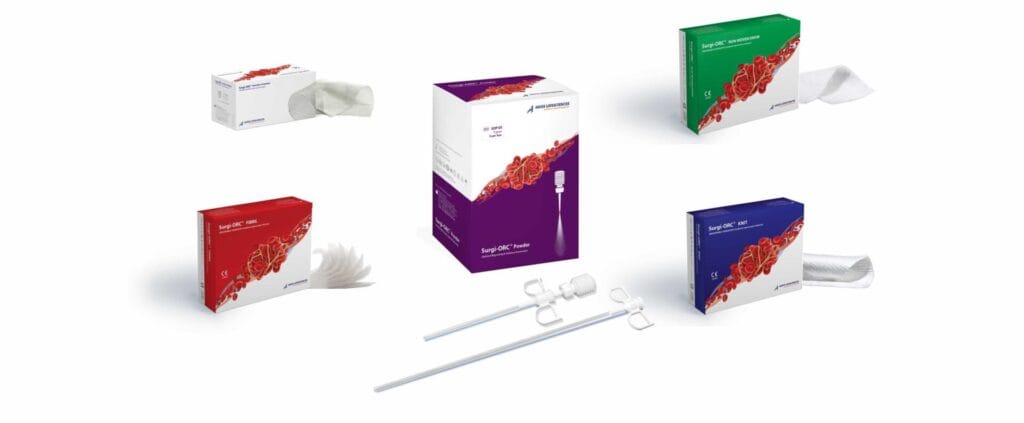 Figure 1: Surgi-ORC ® – Oxidized Regenerated Cellulose
This flexibility allows surgeons to choose the most appropriate form for the situation. But what makes it particularly effective in cardiac surgery?
Why Surgi-ORC® cardiac surgery?
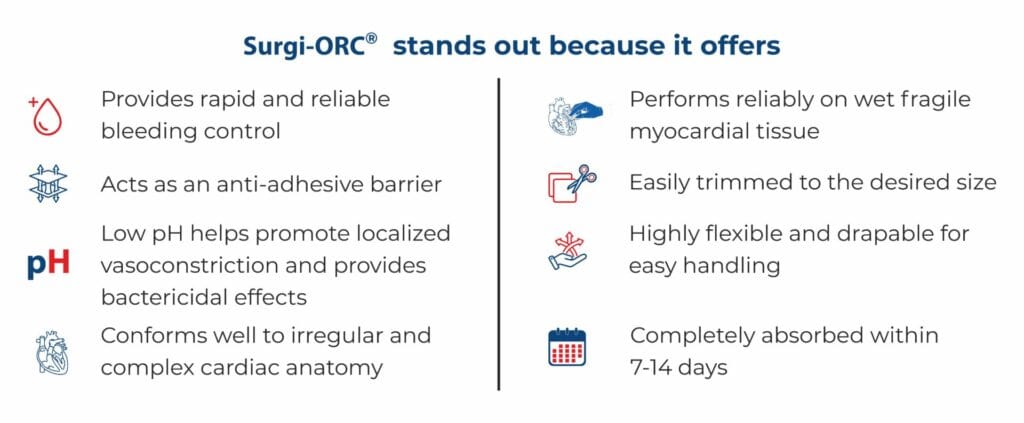 All these features make it a useful and effective adjunct in routine cardiac surgery.
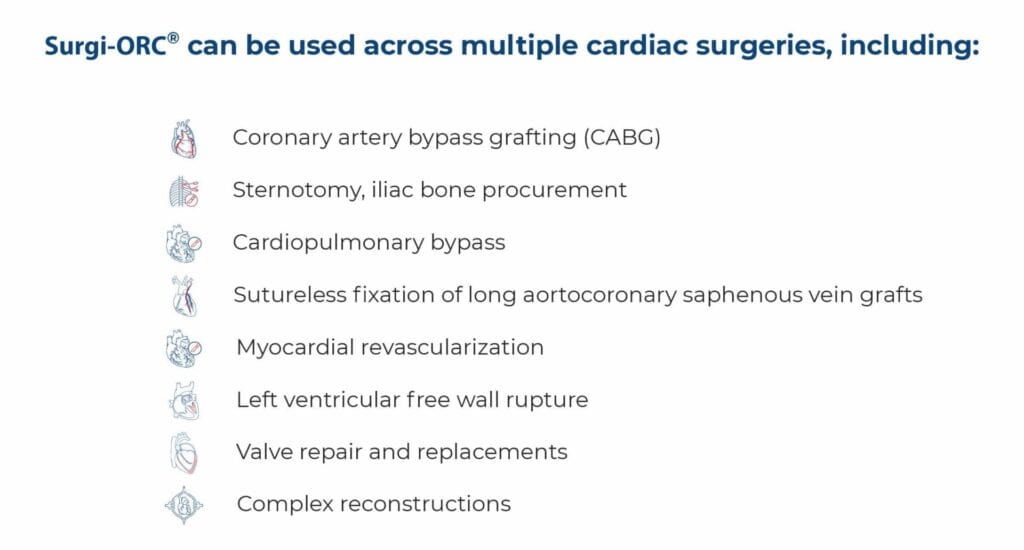
What are the application areas of Surgi-ORC®?
With its wide range of applications, Surgi-ORC® helps surgeons achieve reliable bleeding control across different and complex cardiac procedures.
 Clinical Evidence
Clinical data support the use of ORC in cardiac surgery. A retrospective study in CABG patients (September 2022–March 2023) compared outcomes with and without the use of standard absorbable ORC haemostat.
Patients treated with ORC standard demonstrated:4
- Reduced operative time
- Lower transfusion requirements
- Faster ICU recovery
- Earlier chest tube removal
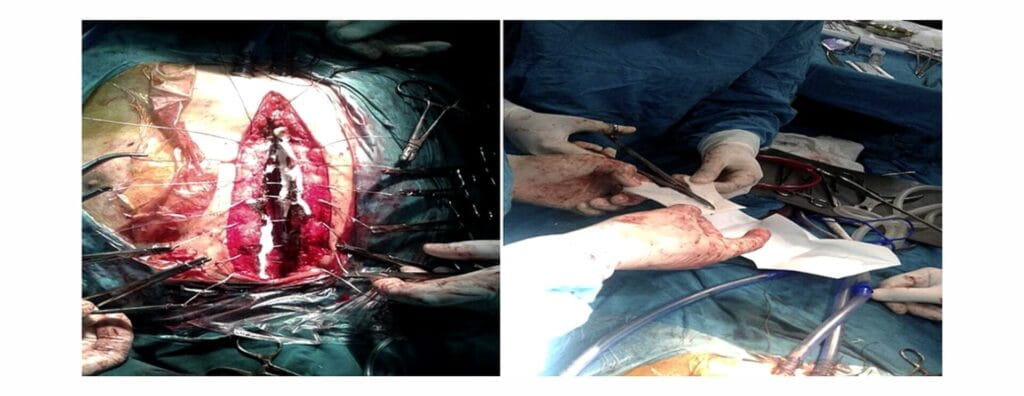 Figure 2: Application of ORC sheet along the sternotomy intramedullary area before closing the chest3
Importantly, these findings were statistically significant (p < 0.05), suggesting a positive role for ORC in supporting effective bleeding control.4
Conclusion
In cardiac surgery, controlling bleeding is more than just a technical step-it plays a crucial role in patient safety and recovery. With its ease of use and reliable performance, Surgi-ORC is a trusted tool for surgeons. It helps maintain a clearer surgical field, reduces the risk of complications, and supports better overall patient outcomes.
References:
- Heart Surgery: Types, Details & Recovery
- Mair H, Kaczmarek I, Oberhoffer M .Surgicel Nu-Knit hemostat for bleeding control of fragile sternum The Journal of Thoracic and Cardiovascular Surgery, 130, 605-606 https://doi.org/10.1016/j.jtcvs.2005.04.013
- Elmorsy A, Abdel-Wahab A, Sabry M, Wahby E. Bone wax versus oxidized regenerated cellulose in preventing sternal intramedullary bleeding in cardiac surgery. Journal of the Egyptian Society of Cardio-Thoracic Surgery. 2016 Dec 1;24(4):302-7. https://doi.org/10.1016/j.jescts.2016.12.008
- Keskin HA. Evaluation of hemostatic efficacy and safety of oxidized regenerated cellulose (Pahacel®) in coronary bypass surgery. Cirugía y cirujanos. 2024 Oct;92(5):618-25. DOI: 10.24875/CIRU.23000535