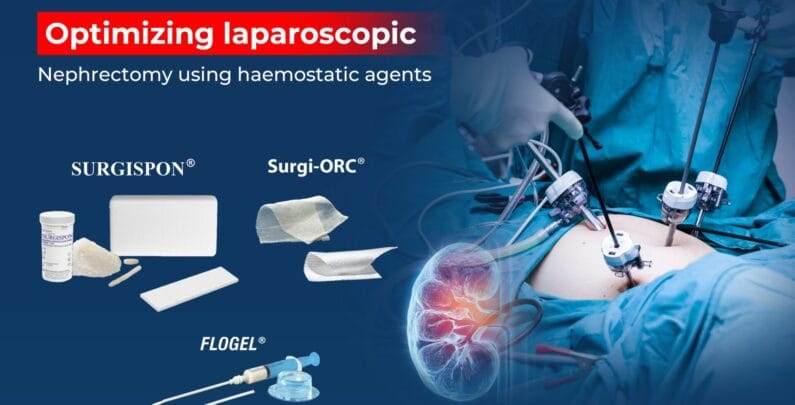
Optimizing laparoscopic nephrectomy using haemostatic agents
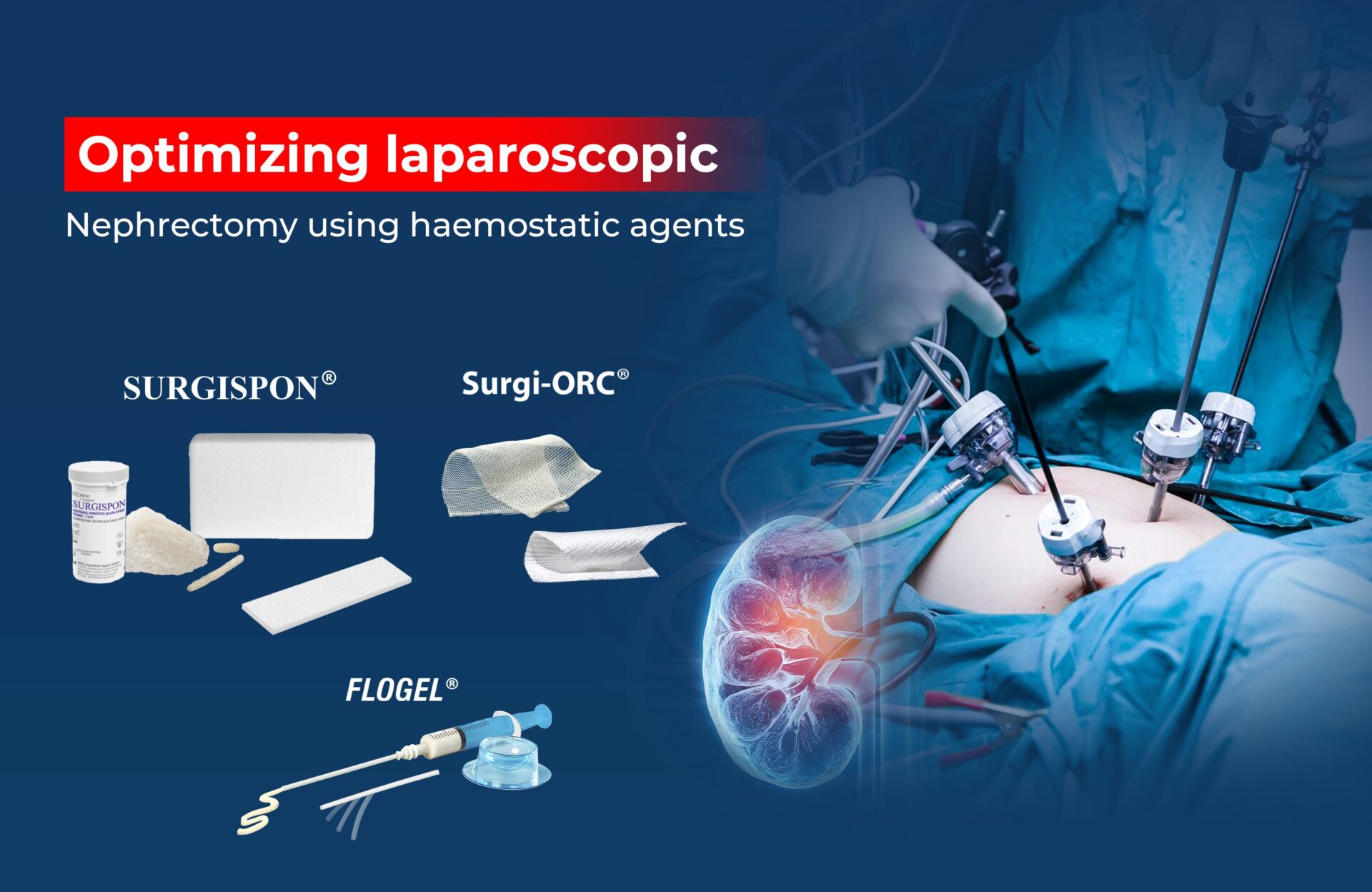
Laparoscopic nephrectomy is a minimally invasive surgical procedure for kidney removal, performed through small incisions using a specialized tool (laparoscope). This approach reduces postoperative pain, hospital stay, recovery time and convalescence compared with open procedure.1,2
When is laparoscopic nephrectomy recommended?
Laparoscopic nephrectomy is recommended for the treatment of most benign kidney diseases in which there is permanent loss of renal function. Common indications include1:
- Chronic pyelonephritis
- Obstructive or reflux nephropathy
- Renal tuberculosis and Nephrosclerosis
- Multicystic dysplastic kidney
- Renovascular hypertension and post-transplant hypertension
- Acquired renal cystic disease in dialysis patients
- Symptomatic patients with autosomal dominant polycystic kidney disease
With advances in laparoscopic technology and years of clinical experience, laparoscopic nephrectomy is now considered a clear winner over open nephrectomy surgery.1 However, controlling surgical bleeding remains one of the most critical challenges.
Since nasal packing plays such an important role, let’s take a closer look at the material used and how it supports safe and comfortable healing.
Why haemostasis matters in laparoscopic nephrectomy
The kidney’s high vascularity makes bleeding control critical during laparoscopic nephrectomy. Inadequate haemostasis can lead to:1,2
- Excessive parenchymal bleeding that obstructs renorrhaphy
- Minor bleeding can obscure the field and prolong surgery
- Increased overall surgical risk and compromise procedural success
Therefore, effective haemostasis is essential for procedural safety and optimal recovery. Haemostatic agents such as SURGISPON®, Surgi-ORC® and FLOGEL® are designed to meet this need, offering rapid and effective bleeding control.
Let’s explore these products, their benefits, and how they help make laparoscopic nephrectomy safer and more effective.
A. SURGISPON®: Absorbable Haemostatic Sponges
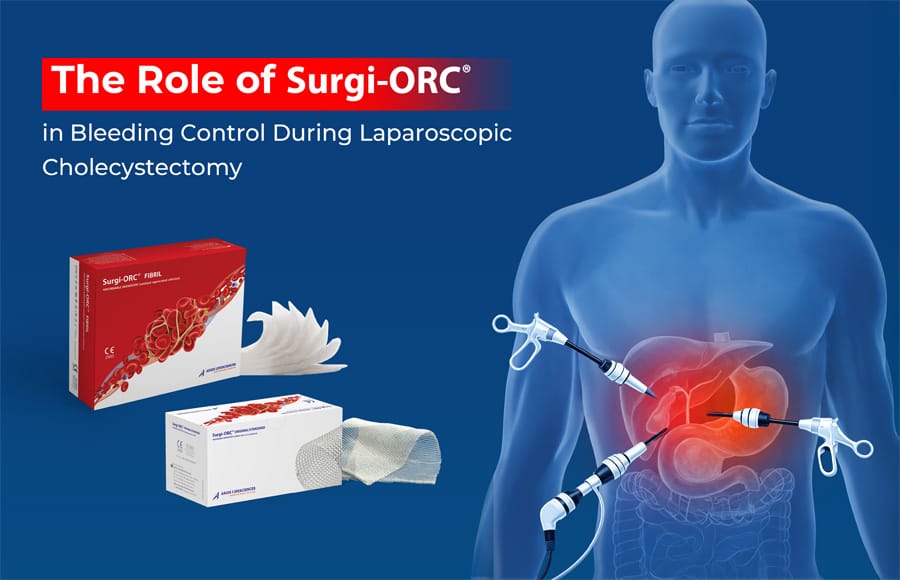
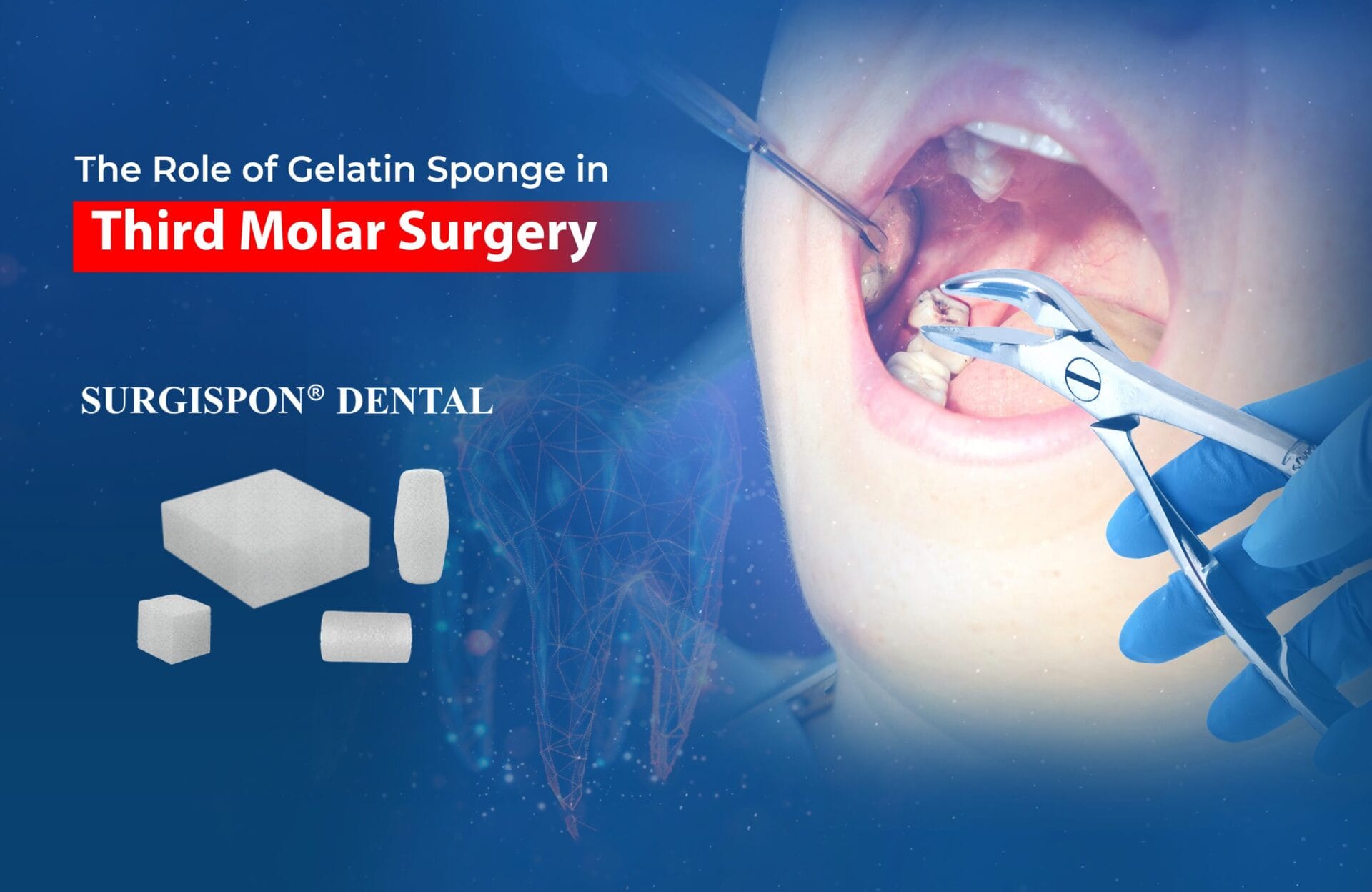
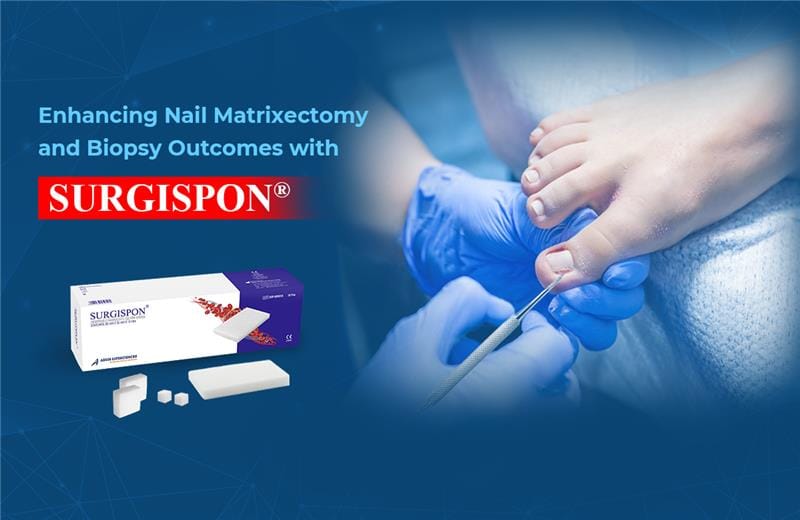
SURGISPON® is a gamma-sterilized, non-toxic, non-immunogenic absorbable gelatin sponge designed for rapid and effective haemostasis. Its uniform porosity and unique interconnected structure provide high absorption capacity up to 45 times its weight. It is easy to trim and can be used either dry or pre-saturated saline water.
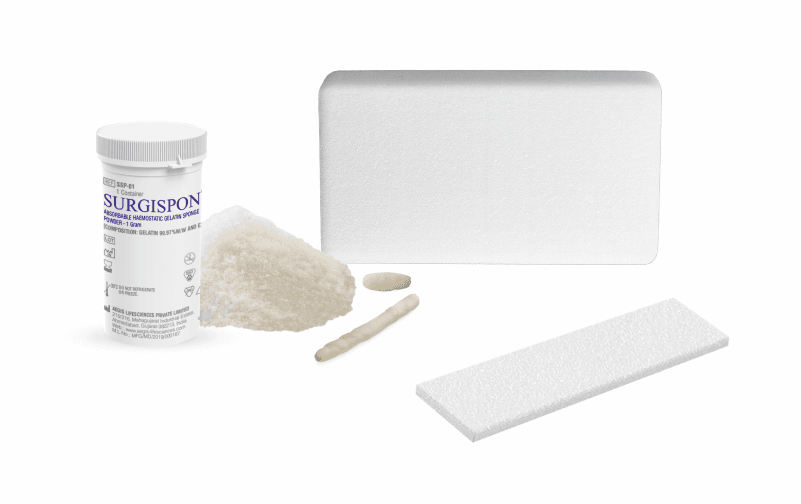
Fig. 1: SURGISPON® – Absorbable Haemostatic Sponges
B. Surgi-ORC®: Advanced Plant-Based Haemostatic Solution
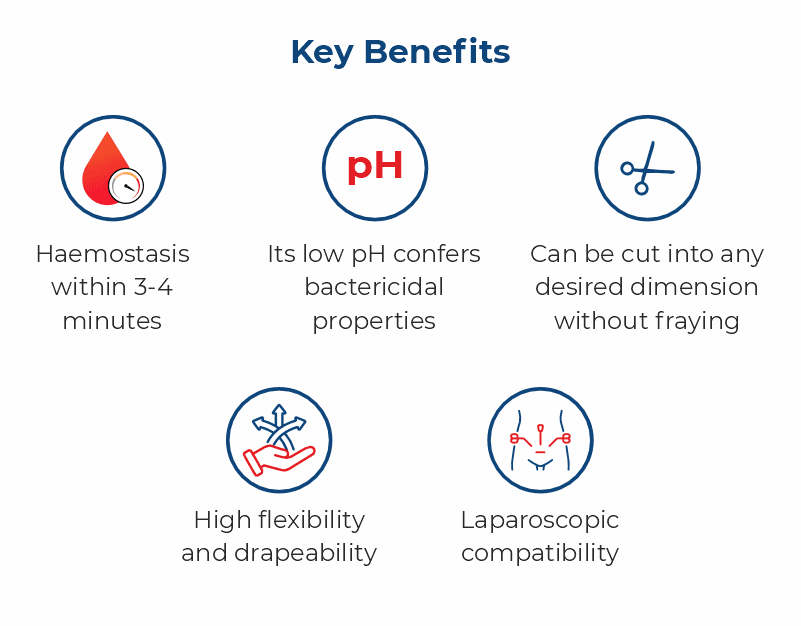
Surgi-ORC® is a sterile, absorbable haemostatic product made from oxidized regenerated cellulose (polyoxy-anhydro-glucuronic acid). It is free from animal- and collagen-derived additives, supports suturing and can be sutured and can be cut without fraying.
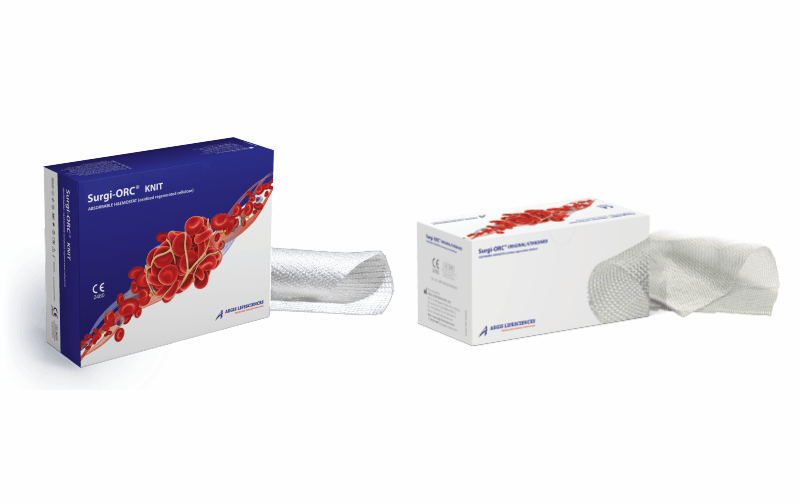
Fig. 2: Surgi-ORC® Absorbable Haemostat (Oxidized Regenerated Cellulose)
C. FLOGEL®: Flowable Gelatin Haemostatic Matrix
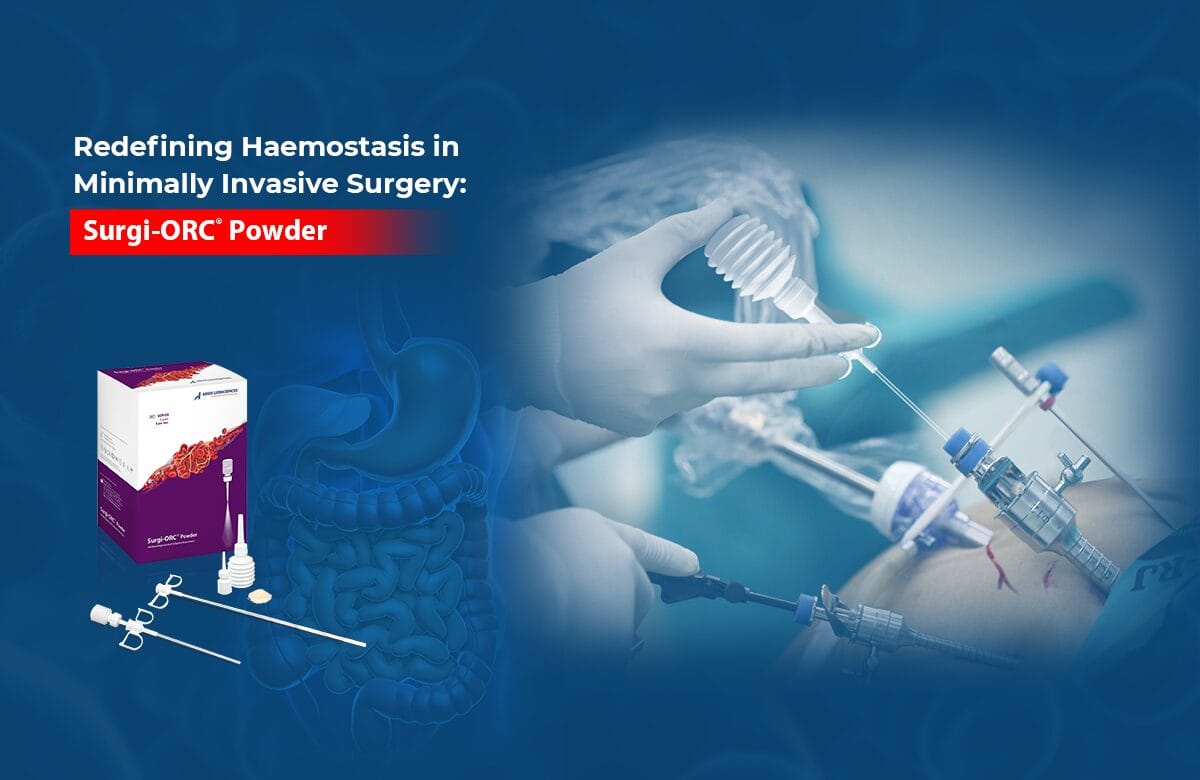
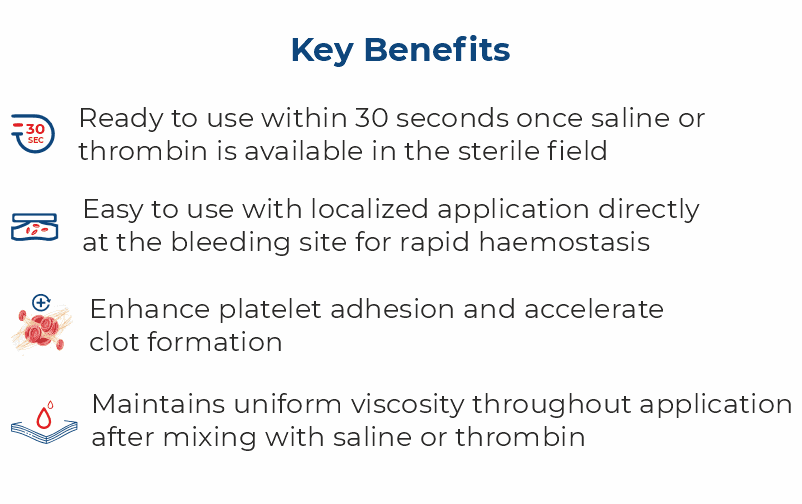
FLOGEL® is a flowable absorbable gelatin sponge powder prefilled in a syringe. It is designed for easy application to bleeding sites in tight or irregular spaces, especially at difficult to reach surgical areas.
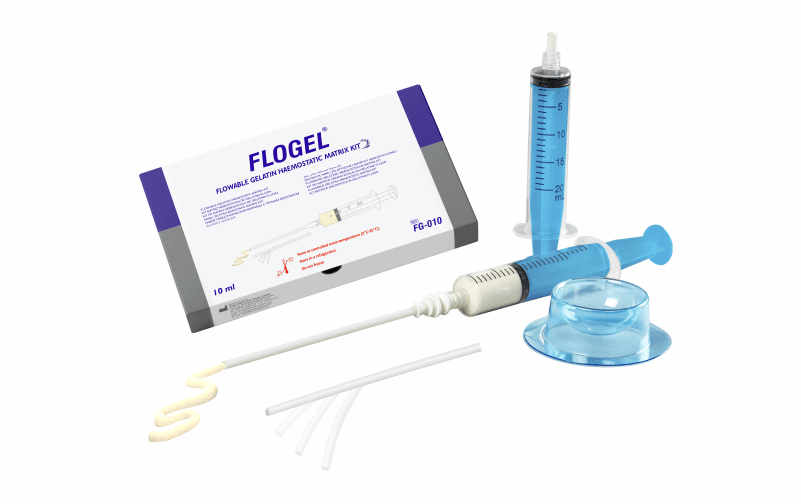
Fig. 3: FLOGEL® Flowable Gelatin Haemostatic Matrix
 Clinical Evidence
 Clinical Evidence
A retrospective analysis of 126 patients undergoing laparoscopic partial nephrectomy evaluated three haemostatic agents: Spongostan™ (absorbable gelatin sponge), Surgicel® Original (oxidized regenerated cellulose) and Floseal® (haemostatic matrix).3
Key findings3:
- Operative time, warm ischemia time, complication rates and length of hospital stay were similar across groups; however, haemostatic matrix significantly reduced blood loss (p = 0.01).
- Overall, the choice of haemostatic agent affected blood loss but did not impact other surgical outcomes or early renal function.
Conclusion
Advanced haemostatic agents in nephrectomy can improve outcomes, reduce complications, and fast healing. SURGISPON® haemostatic sponge provides rapid and effective haemostasis, Surgi-ORC® provides a plant-based solution with antimicrobial benefits and FLOGEL® ensures precise control in tight and irregular spaces, enhancing surgical efficiency and recovery.
References:
- Gupta NP, Gautam G. Laparoscopic nephrectomy for benign non-functioning kidneys. Journal of Minimal Access Surgery. 2005 Oct 1;1(4):149-54.
- Pacheco M, Barros AA, Aroso IM, Autorino R, Lima E, Silva JM, Reis RL. Use of hemostatic agents for surgical bleeding in laparoscopic partial nephrectomy: biomaterials perspective. Journal of Biomedical Materials Research Part B: Applied Biomaterials. 2020 Nov;108(8):3099-123.
- Aykan S, Temiz MZ, Ulus I, Yilmaz M, Gonultas S, Suzan S, Semercioz A, Muslumanoglu AY. The use of three different hemostatic agents during laparoscopic partial nephrectomy: A comparison of surgical and early renal functional outcomes. The Eurasian journal of medicine. 2019 Jun;51(2):160.