The Role of Surgi-ORC® in Bleeding Control During Laparoscopic Cholecystectomy
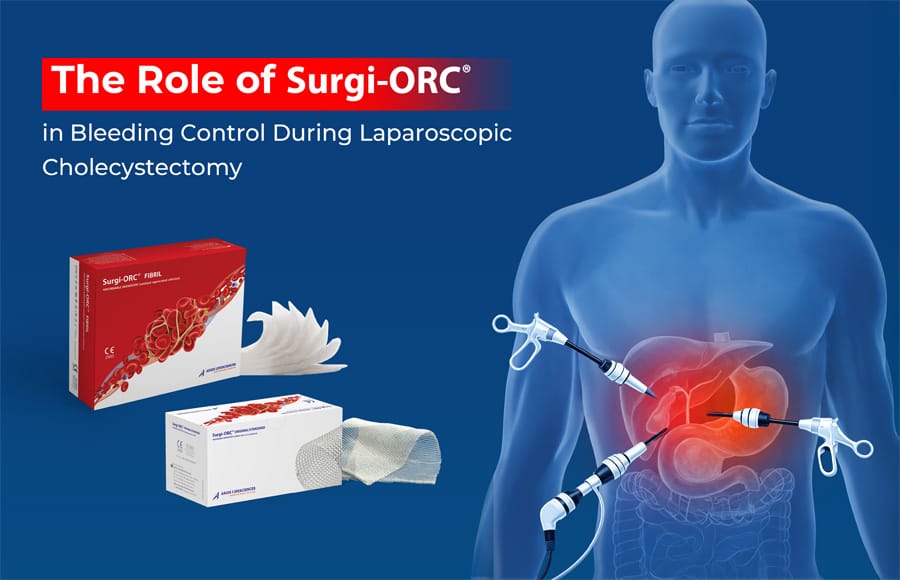
Laparoscopic cholecystectomy (LC) is a minimally invasive procedure for gallbladder removal in gallstone disease (cholelithiasis) and related complications. Compared with open surgery, LC offers less postoperative pain, shorter hospital stays, faster recovery, and better cosmetic outcomes.1,2
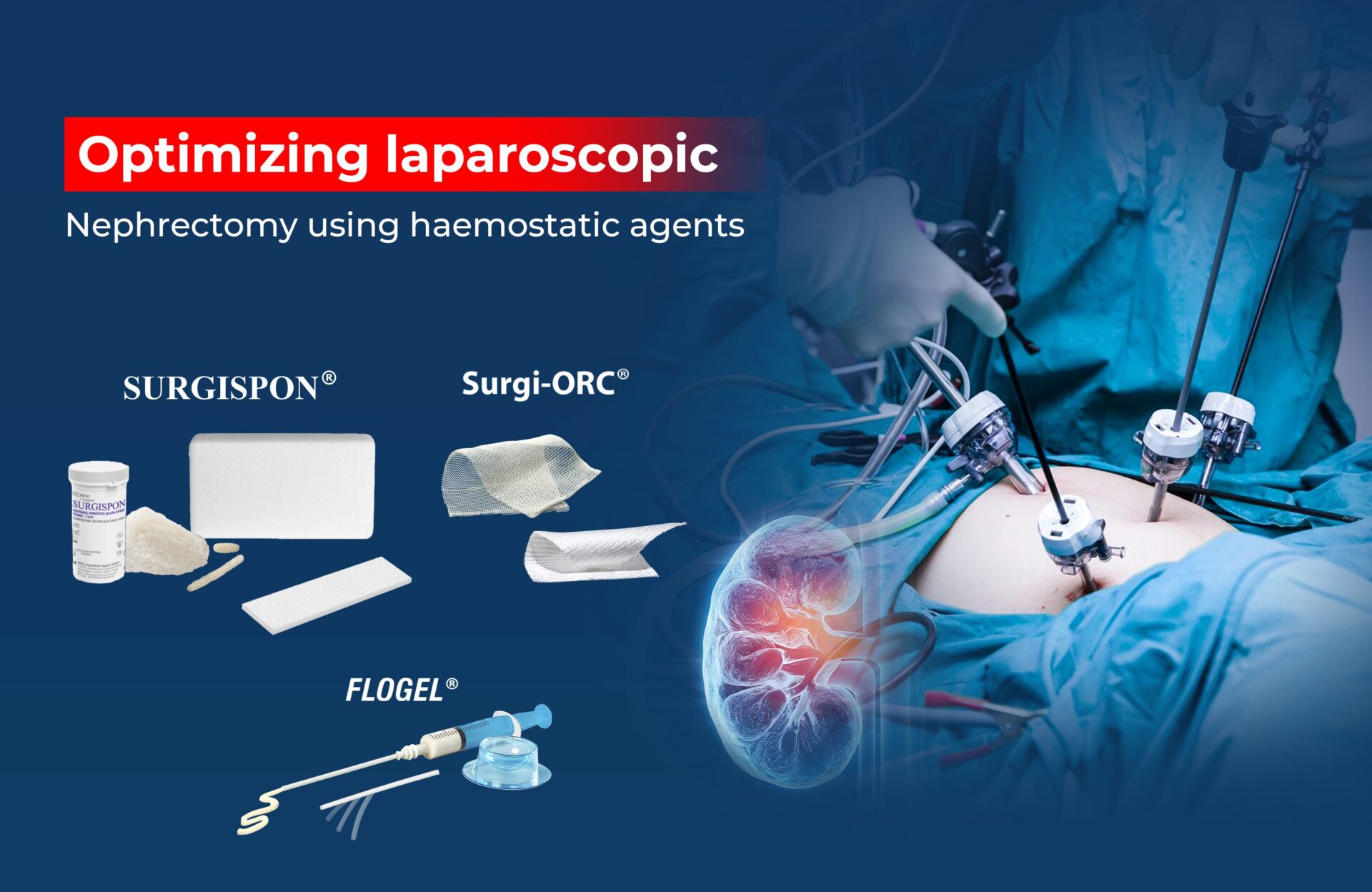
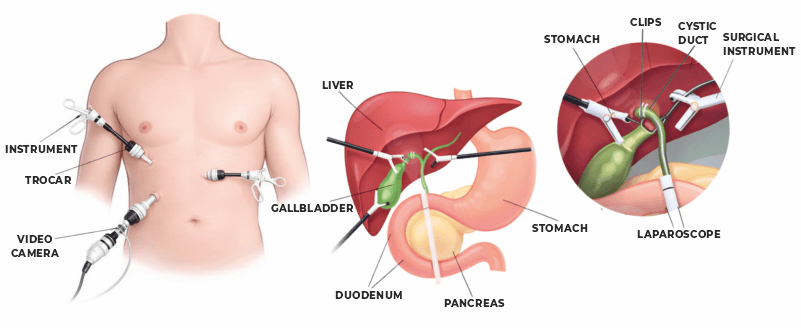 Fig. 1: Laparoscopic cholecystectomy2
What clinical conditions commonly require LC?
LC is indicated in a wide range of gallbladder conditions, including3
- Cholelithiasis
- Mucocele or empyema of the gallbladder
- Cholesterolosis
- Typhoid carrier
- Porcelain gallbladder
- Acute cholecystitis (calculous and acalculous)
- Adenomatous gallbladder polyps
- As part of other procedures, viz., whipple’s procedure
Although LC generally provide better outcomes across these indications, effective haemostasis remains essential for procedural safety, as bleeding continues to be the most serious non-biliary complication.4
Why bleeding control is critical during LC?
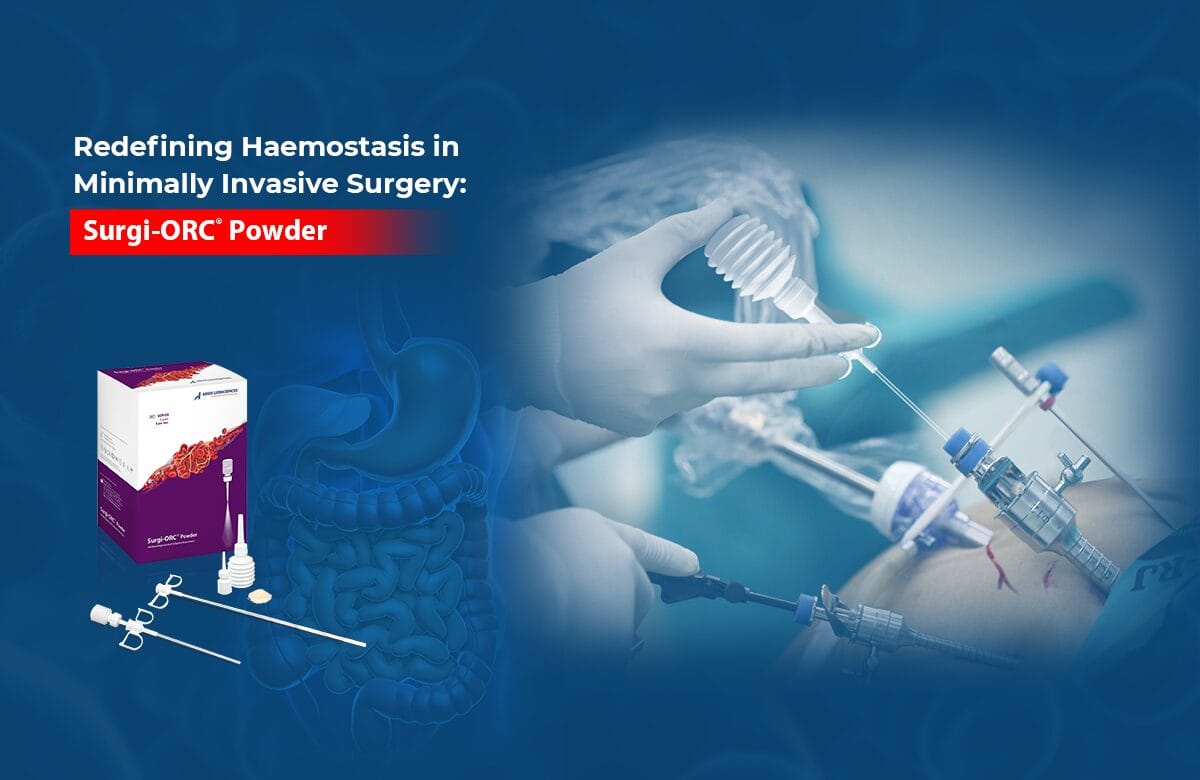
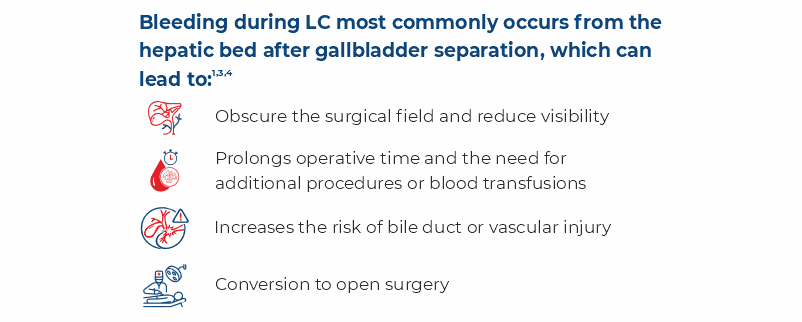 If not promptly managed, bleeding is a leading cause of procedure-related mortality. 4While electrocautery is the conventional tool for bleeding control, its thermal nature carries risks (damage to parenchymal tissue and postoperative bile leakage);1 hence, topical oxidized regenerated cellulose (ORC) agents such as Surgi-ORC®, can be used to achieve haemostasis and reduce these complications.
What is Surgi-ORC®?
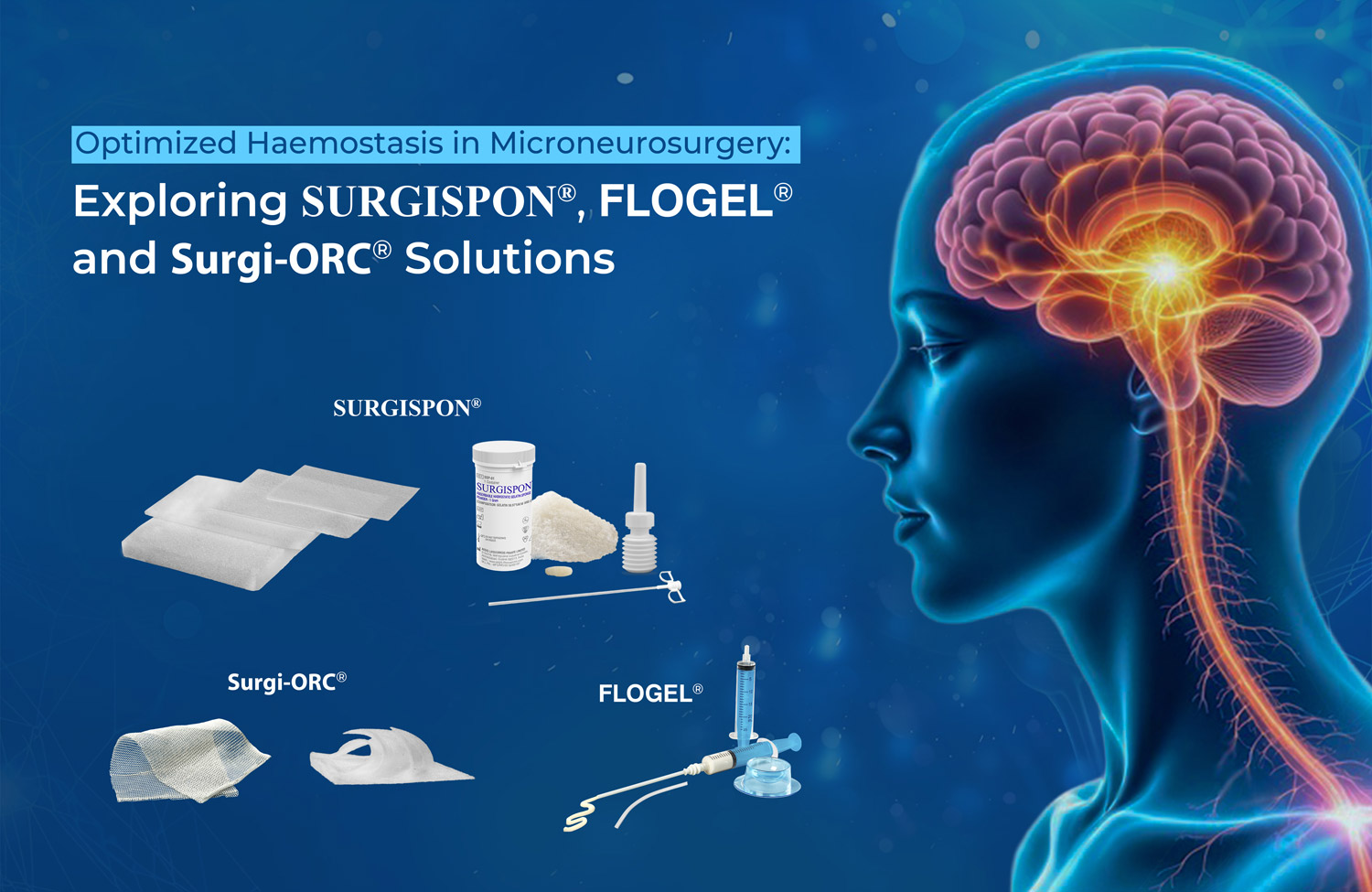
Surgi-ORC® is a plant-based, absorbable haemostatic made of oxidized regenerated cellulose designed to control bleeding. ORC adheres easily to bleeding surfaces and is suitable for use in laparoscopic cholecystectomy.1 Surgi-ORC® is available in four variants: Surgi-ORC® ORIGINAL, Surgi-ORC® FIBRIL, Surgi-ORC® NON-WOVEN and Surgi-ORC® KNIT, haemostats.
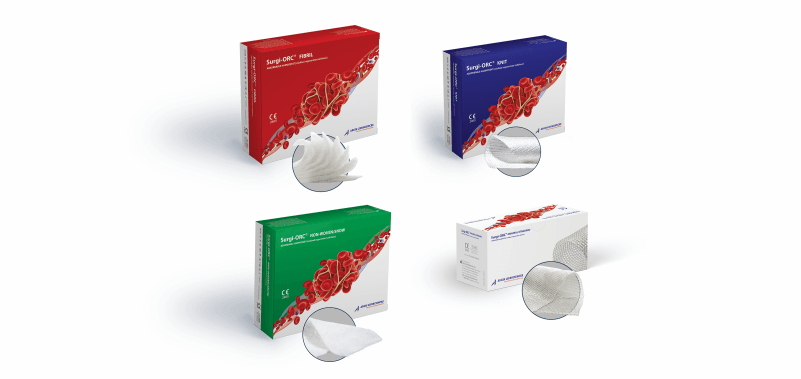 Fig.2: Surgi-ORC®: FIBRIL, KNIT, ORIGINAL, and NON-WOVEN haemostats.
How Does Surgi-ORC® Work to stop bleeding?
Surgi-ORC® is an absorbable topical haemostatic designed for rapid, localized control of bleeding from capillary, venous, and small arteriolar vessels. It works by:
- ORC absorbs blood and forms a gel that covers the site of vessel injury
- Creates a low-pH environment, leading to localized vasoconstriction
- Acts as a matrix for platelet adhesion, accelerating clot formation
What advantages does Surgi-ORC® offer in LC?
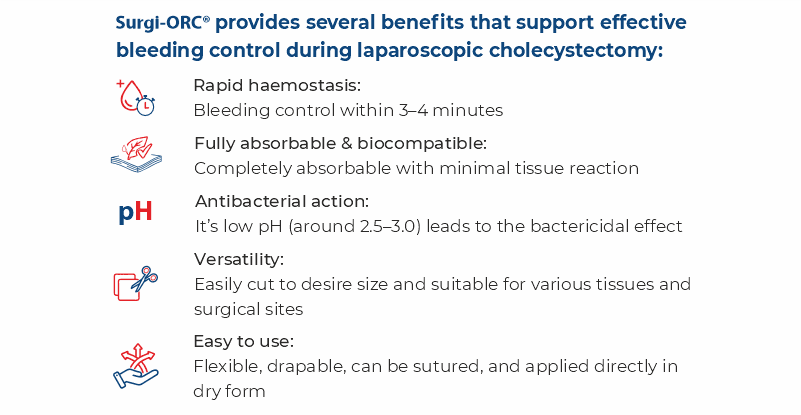
Together, these benefits make Surgi-ORC® particularly valuable in complex and high-risk cases.
Clinical Evidence: Efficacy of ORC in LC
A study conducted between January 2012 and August 2015 included 525 patients with acute cholecystitis undergoing fundus-first LC. Patients were classified by dissection difficulty: Group A (n=142) had an easily achieved Critical View of Safety (CVS), while Group B (n=383) had a difficult field with higher complication risk.5
Key Findings:5
- Haemostasis was achieved, the liver bed packed with surgical fibrillar absorbable haemostat (ORC), and a drain placed when necessary.
- No postoperative bile leaks, re-explorations, re-hospitalization, biliary system procedure (MRCP/ERCP), or conversions to open surgery were reported
- Even in technically difficult cases, safe haemostasis was achieved
These findings demonstrate that ORC significantly contributes to bleeding control and reduces surgical risk.
Conclusion
Surgi-ORC® offers an effective adjunct by promoting rapid, localized haemostasis and reducing the risk of surgical complications and conversion to open surgery. By improving bleeding control, maintaining clear surgical fields, and supporting safer dissection. Surgi-ORC® contributes to enhanced surgical confidence and better patient outcomes in both routine and high-risk laparoscopic cholecystectomy cases.
References:
- Masci E, Faillace G, Longoni M. Use of oxidized regenerated cellulose to achieve hemostasis during laparoscopic cholecystectomy: a retrospective cohort analysis. BMC Research Notes. 2018 Apr 11;11(1):239.
- Laparoscopic cholecystectomy – the best option for symptomatic gallstones – Surgery NZ
- Mishra RK. Laparoscopic cholecystectomy. nd Textbook of Practical Laparoscopic Surgery. 2023;2:161-80.
- Kaushik R. Bleeding complications in laparoscopic cholecystectomy: Incidence, mechanisms, prevention and management. J Minim Access Surg. 2010 Jul;6(3):59-65. doi: 10.4103/0972-9941.68579. PMID: 20877476; PMCID: PMC2938714.
- Nasr MM. An innovative emergency laparoscopic cholecystectomy technique; early results towards complication free surgery. Journal of Gastrointestinal Surgery. 2017 Feb 1;21(2):302-11.