Role of Haemostatic Agents in Partial Inferior Turbinectomy
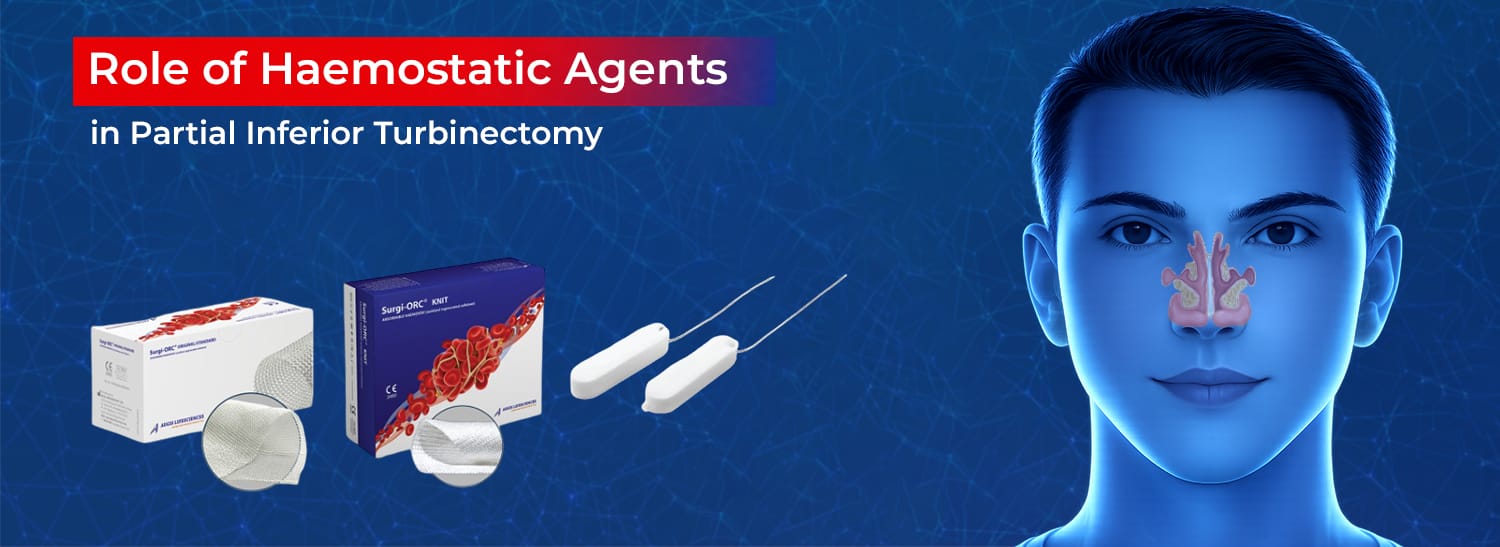
The nasal turbinates help control airflow inside the nose and support normal breathing. A common problem in ENT practice is nasal blockage caused by inferior turbinate hypertrophy, which can happen due to conditions like rhinitis or deviated nasal septum. This may lead to long-term nasal obstruction, discomfort, and sleep problems.1
When medicines do not provide enough relief, surgeons may perform partial inferior turbinectomy (PIT) to improve airflow. However, after this surgery, doctors often need to manage issues such as bleeding, pain, slow healing, and intranasal adhesions (synichae).1,2
To help reduce these problems, surgeons use haemostatic agents and nasal packing materials. Two commonly used options are Oxidized Regenerated Cellulose (ORC), such as Surgi-ORC® and Polyvinyl Alcohol (PVA) nasal packs like SURGI-PVA™. Together, these solutions help control bleeding, support healing, and improve recovery after turbinate surgery.
What is Surgi-ORC® ?
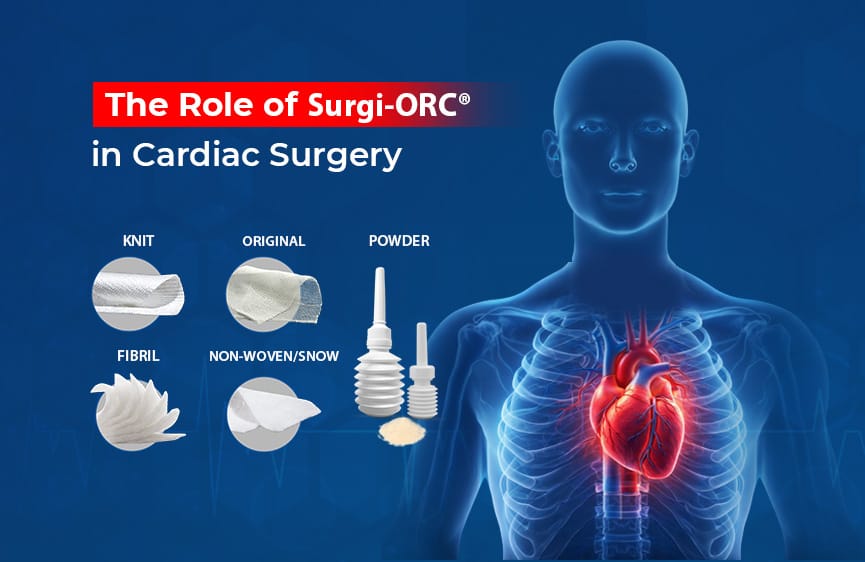
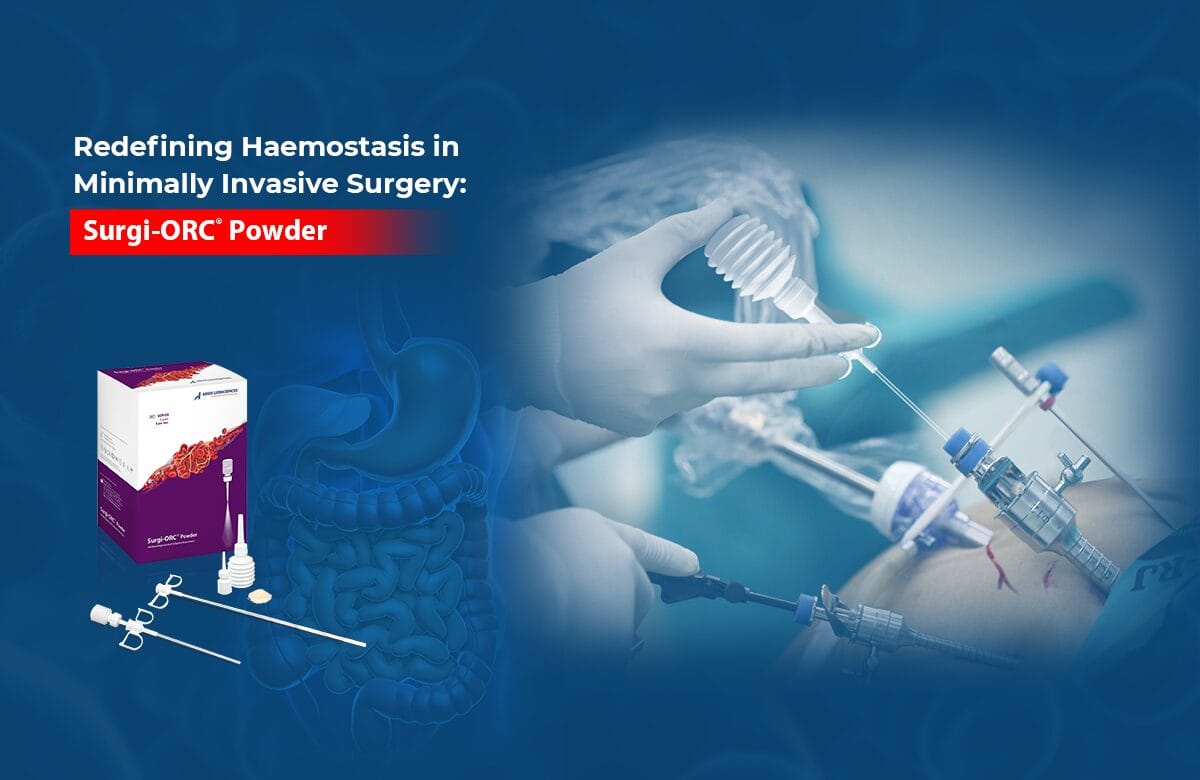
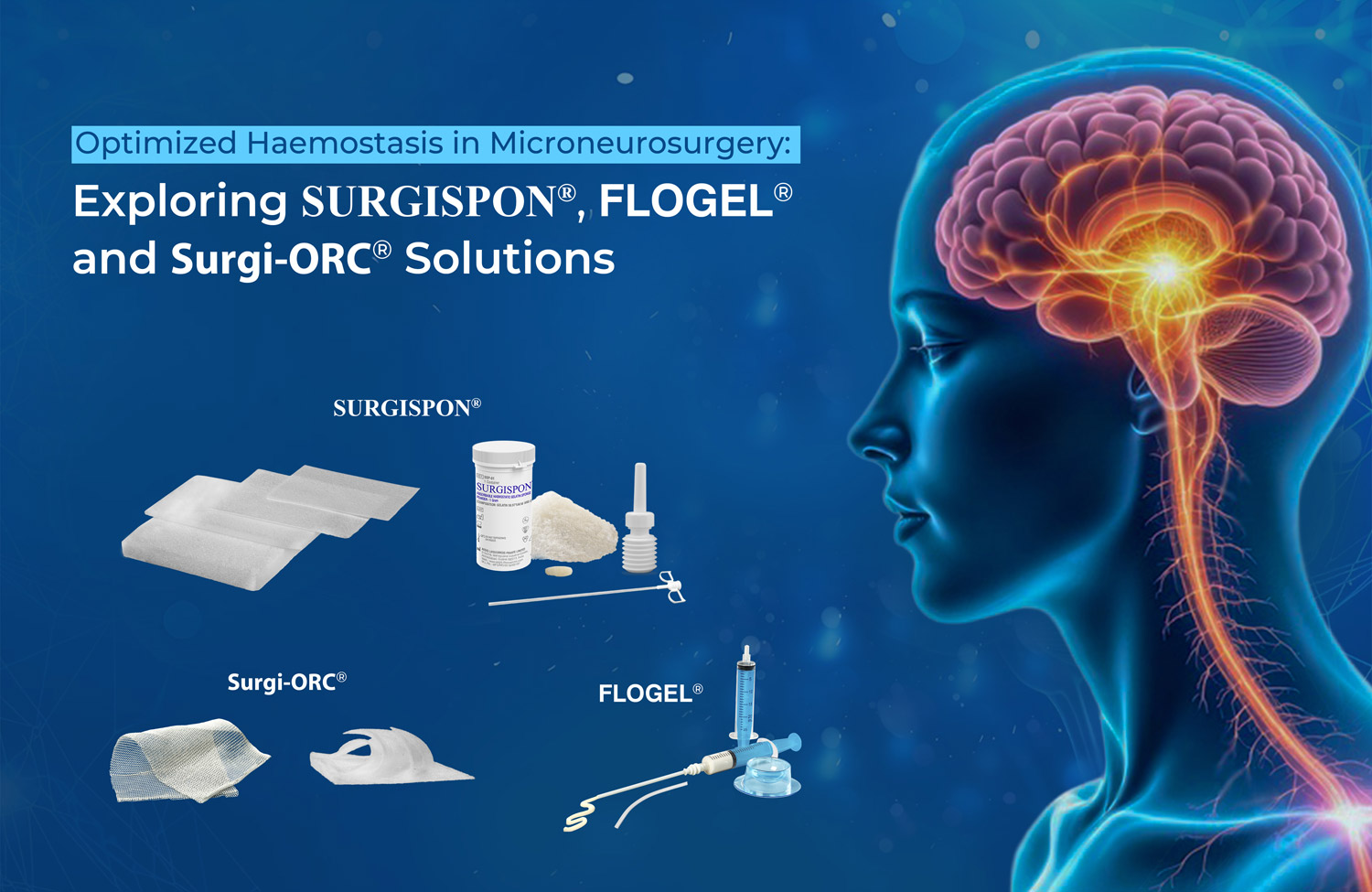
Surgi-ORC® : It is a natural, plant-based absorbable haemostat made from oxidized regenerated cellulose (ORC). It is designed to stop capillary, venous and small arteriolar bleeding when ligation and other conventional procedures are either ineffective or impractical. Available variants: Surgi-ORC® Knit and Original/Standard forms to meet the procedural needs.
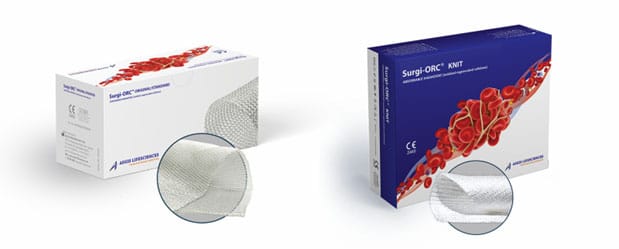 Figure 1: Surgi-ORC® Absorbable Haemostat (Oxidized Regenerated Cellulose)
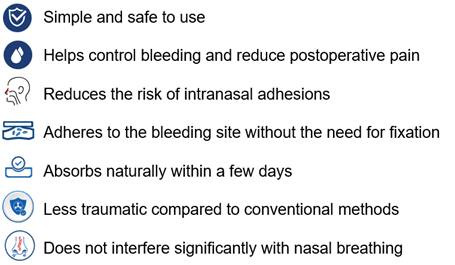
Why to use Surgi-ORC®
 What is SURGI-PVA™ ?
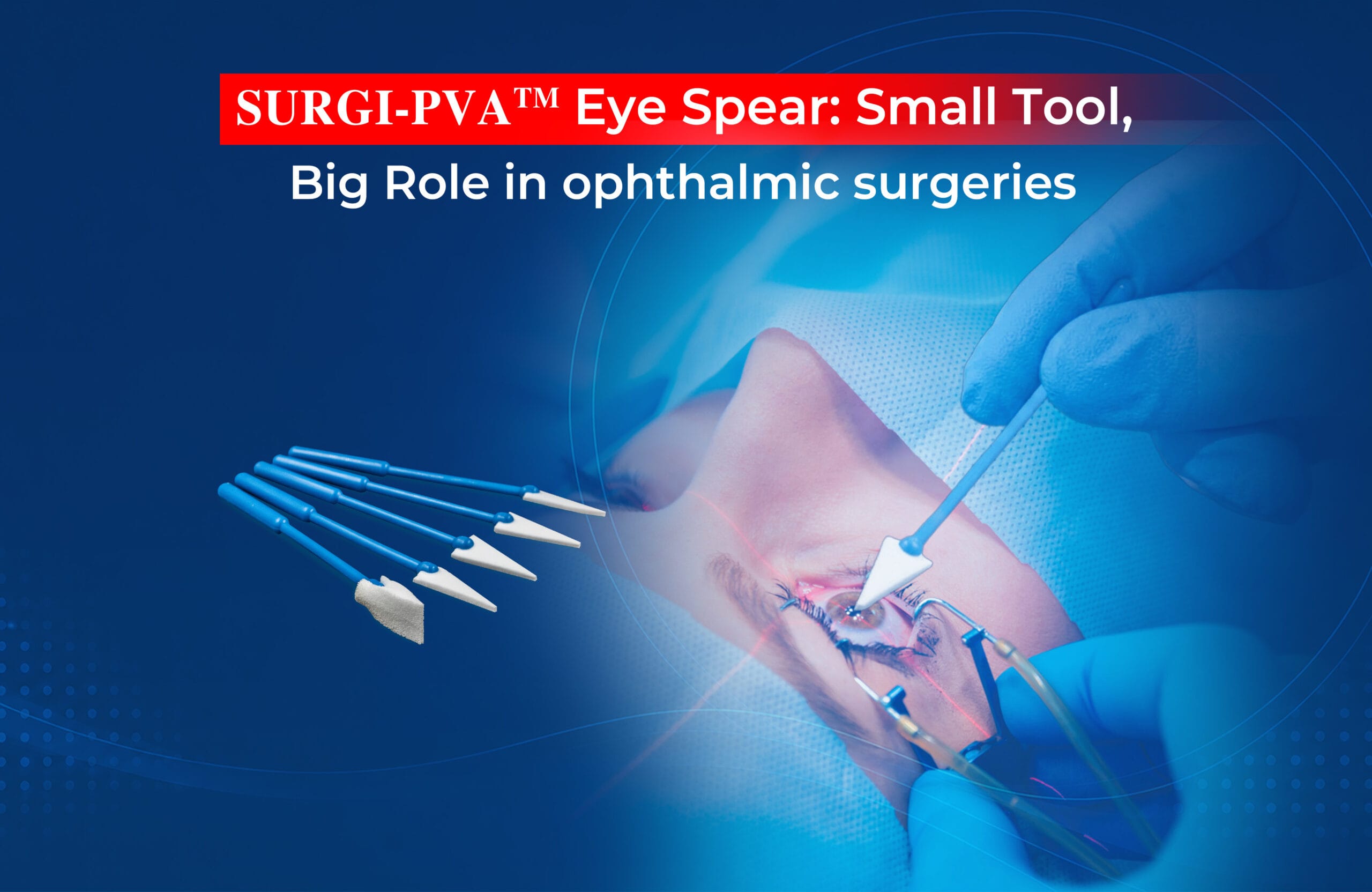
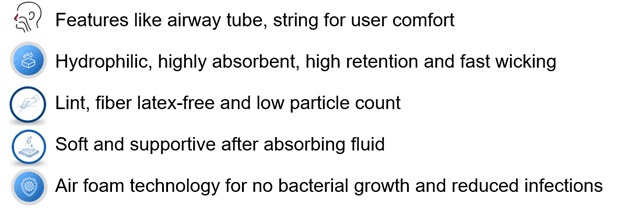
SURGI-PVA™ : It is a polyvinyl alcohol sponge that absorbs fluid several times of its own weight, helping with fluid control, drainage management, and works as tamponade haemostasis. It can be trimmed as needed and is intended for single use. Crafted for complex anatomical needs, it is available as standard, anatomical, epistaxis, and sinus nasal packing, in various sizes to suit different surgical needs.
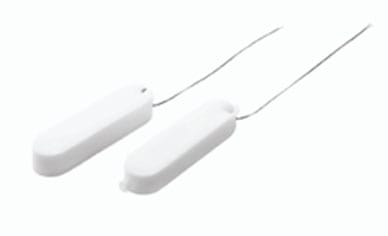 Figure 2: SURGI-PVA™ Polyvinyl alcohol medical sponge dressing
Why to use SURGI-PVA™ ?
 Clinical evidence:
In a prospective, randomized study of 120 patients undergoing bilateral partial inferior turbinectomy (PIT), patients were allocated into two groups (n=60 each) using block randomization (block size 4). Group A received intranasal ORC sheet (Surgicel®), while Group B underwent surgery without ORC. Initial hemostasis in both groups was achieved using ribbon gauze soaked in Xylocaine and Xylometazoline.
In Group A, two layers of ORC were placed over the bleeding area on the medial wall of the inferior turbinate. Postoperatively, anterior PVA nasal packs (8 or 10 cm long) were left in situ for 2 days and the intranasal ORC were sucked out after 48 hours.1
Key Findings:
Table 1: Comparison between the 2 groups at 48 hours postoperatively1
| Outcome | Group A (Surgicel® sheet n=60) | Group B (Non-Surgicel® sheet n=60) |
| Sever pain before pack removal | 6 (10) | 26 (43.3) |
| Severe pain after pack removal | 14 (23.3) | 37 (61.7) |
| Bleeding | No bleeding: 12 (20) Minimal: 38 (63.3) Moderate: 8 (13.3) Severe: 2 (3.3) | No bleeding: 2 (3.3) Minimal: 12 (20) Moderate: 40 (66.7) Severe: 6 (10) |
| Hemostasis Time | ≤5 min: 50 (83.3) ≥5–<10 min: 4 (6.7) ≥10–<20 min: 4 (6.7) ≥20 min: 2 (3.3) | ≤5 min: 14 (23.3) ≥5–<10 min: 10 (16.7) ≥10–<20 min: 28 (46.7) ≥20 min: 8 (13.3) |
| Nasal Obstruction | No improvement: 42 (70)* Partial improvement: 18 (30)* | No improvement: 39 (65)* Partial improvement: 21 (35)* |
Data presented n (%); *no statistically significant difference
This study found that intranasal Surgicel® after PIT can help reduce pain and bleeding, speed up haemostasis and lower the risk of postoperative adhesions.1
Conclusion
Surgi-ORC® and SURGI-PVA™ offer a practical, safe, and effective solution for bleeding control and nasal packing. In PIT, they help achieve reliable haemostasis and support smoother postoperative recovery, making them valuable tools for surgeons managing nasal procedures.
References:
- Abdelfattah A. Intranasal Oxidized Cellulose (Surgicel®) Sheet Application after Partial Inferior Turbinectomy, Can It Make A Difference?. The Egyptian Journal of Hospital Medicine. 2019 Oct 1;77(1):4866-73.
- Eta RA, Eviatar E, Pitaro J, Gavriel H. Post-turbinectomy Nasal Packing with Merocel versus Glove Finger Merocel: A Prospective, Randomized, Controlled Trial. Ear, Nose & Throat Journal. 2018;97(3):64-68. doi:1177/014556131809700307